
Information Architecture in Data-Heavy Systems: How Do You Prevent Cognitive Overload in Analysis?
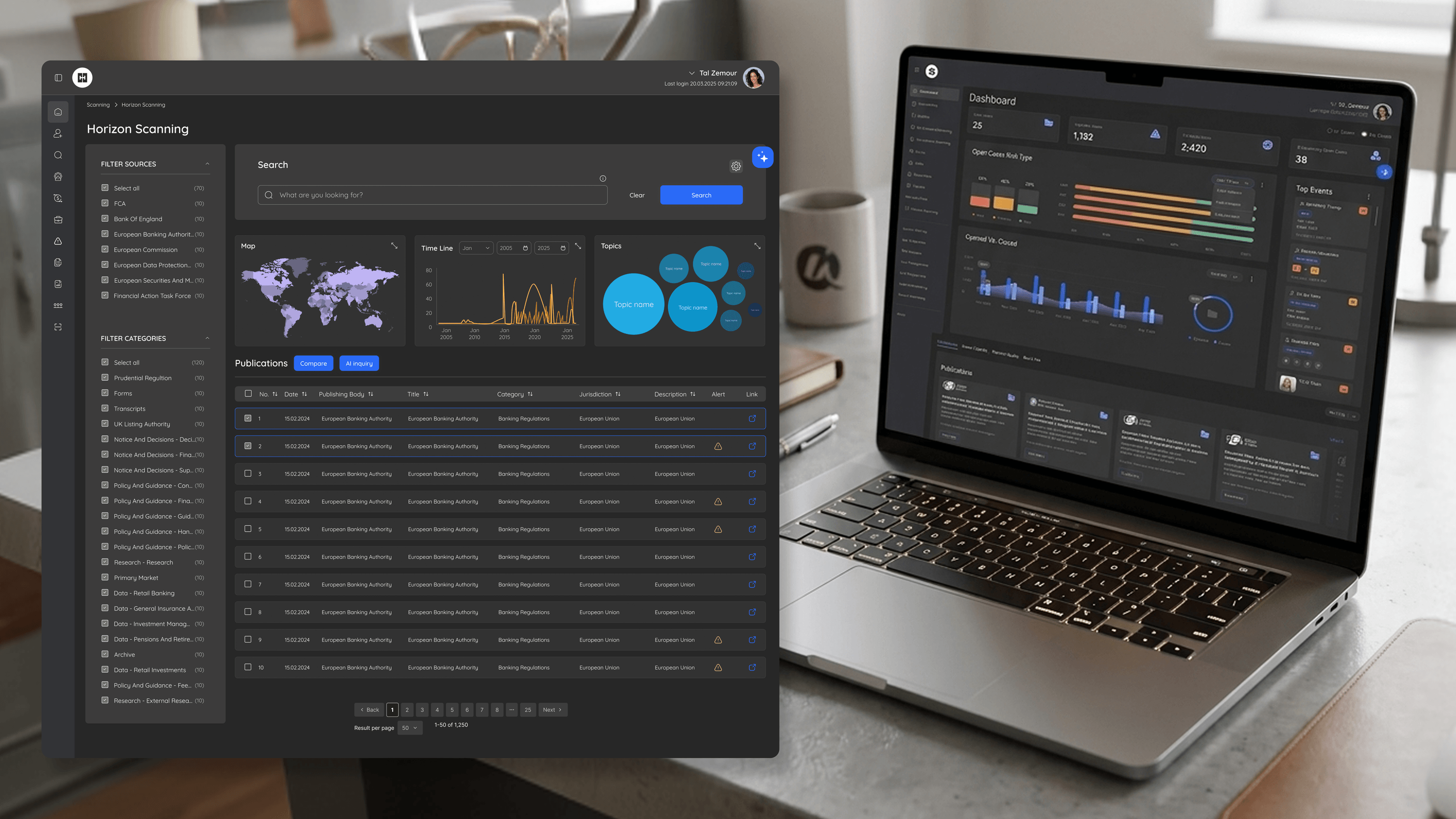
One of the most common mistakes in FinTech product management is the assumption that professional analysts can cope with cluttered dashboards simply because "it's their job." In reality, when a risk analyst encounters a system that displays thousands of rows of data with no clear hierarchy, their response time plummets and their cognitive load spikes.
In designing BlackSwan's Risk Engine, the central challenge was distilling the data. Instead of presenting all the information at once, we built a Progressive Disclosure mechanism. The system first shows the macro-level risk status, and only on click does it reveal the deeper layers of information. This kind of thinking about the user experience allows product managers to ensure that users reach the best possible decision with minimal clicks and maximum precision.
Related articles

About
Making complicated into easy for users.
Senior product designer with a decade of work across complex systems - financial risk platforms, legal operations, healthcare apps, manufacturing tooling and insurance portals. The common thread is depth: products where the data is rich, the users are expert, and the interface has to disappear into the work.