
First-Run Onboarding for a Platform You Can't Learn by Poking
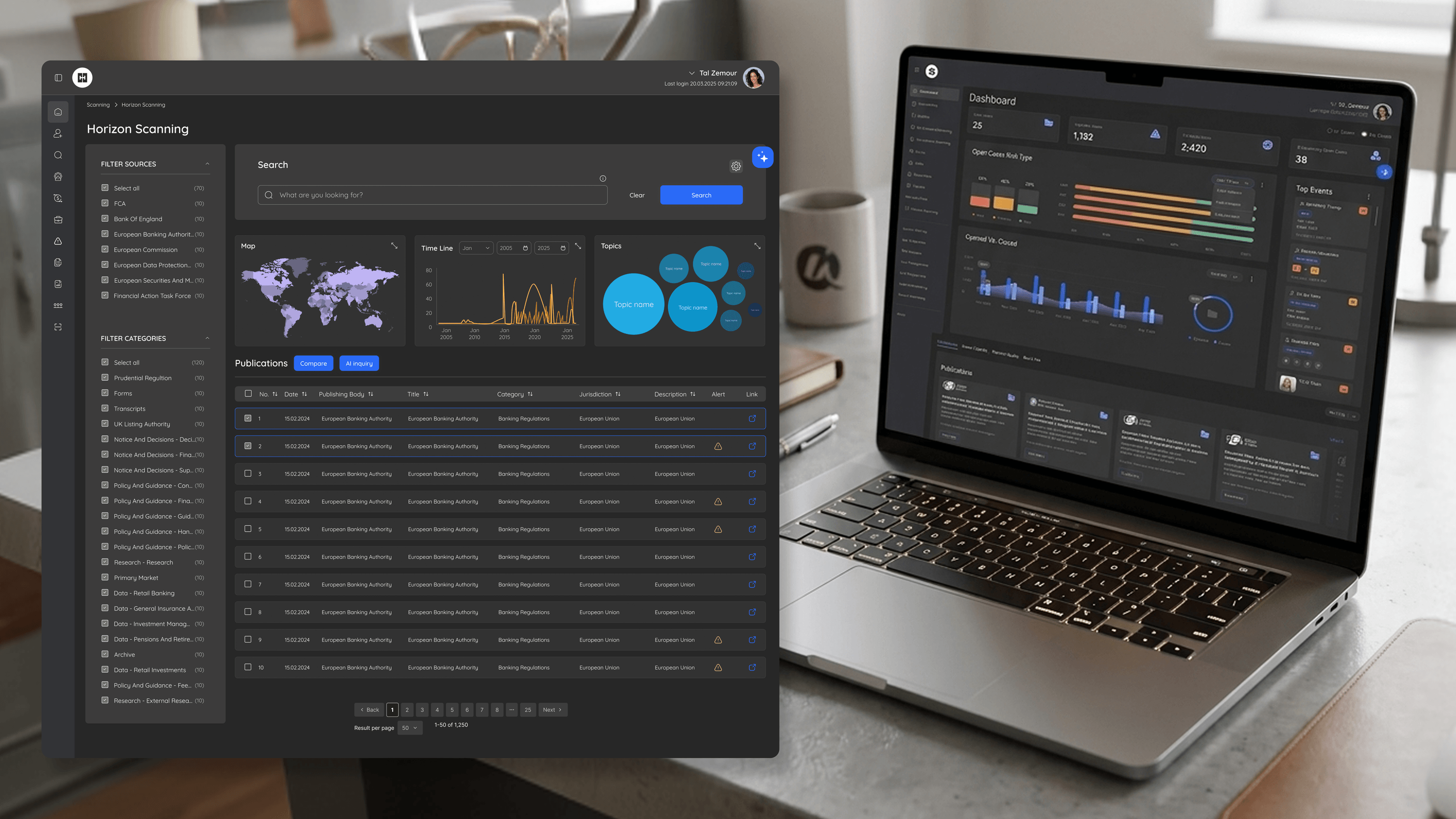
Some products you can learn by clicking around. A bank's risk-intelligence platform is not one of them. BlackSwan serves analysts doing day-to-day reviews and investigators researching flagged entities, across five surfaces and a Risk Engine dense enough that trial-and-error isn't a safe learning path. For a PM, that reframes first-run onboarding from a courtesy into a path to competent first use. The design principle I followed: orient by surface and role, not by feature tour. An analyst's first run should land them in triage understanding how to read a flagged result and act on it; an investigator's should make the Entity page's relationship mapping immediately legible. Throwing a single linear walkthrough at both users would serve neither. I leaned on the design system's consistency to do quiet onboarding work too — once a status pill or a drill-down pattern is learned on one surface, it transfers, so every screen after the first costs less to learn. The PM payoff is faster time-to-value and fewer support escalations from confused new users. In a domain where the cost of a confused user is a missed or mishandled risk, onboarding isn't the welcome mat. It's the first line of getting the work right.
Related articles

About
Making complicated into easy for users.
Senior product designer with a decade of work across complex systems - financial risk platforms, legal operations, healthcare apps, manufacturing tooling and insurance portals. The common thread is depth: products where the data is rich, the users are expert, and the interface has to disappear into the work.