
Personalization in Risk Isn't About the User — It's About the Bank
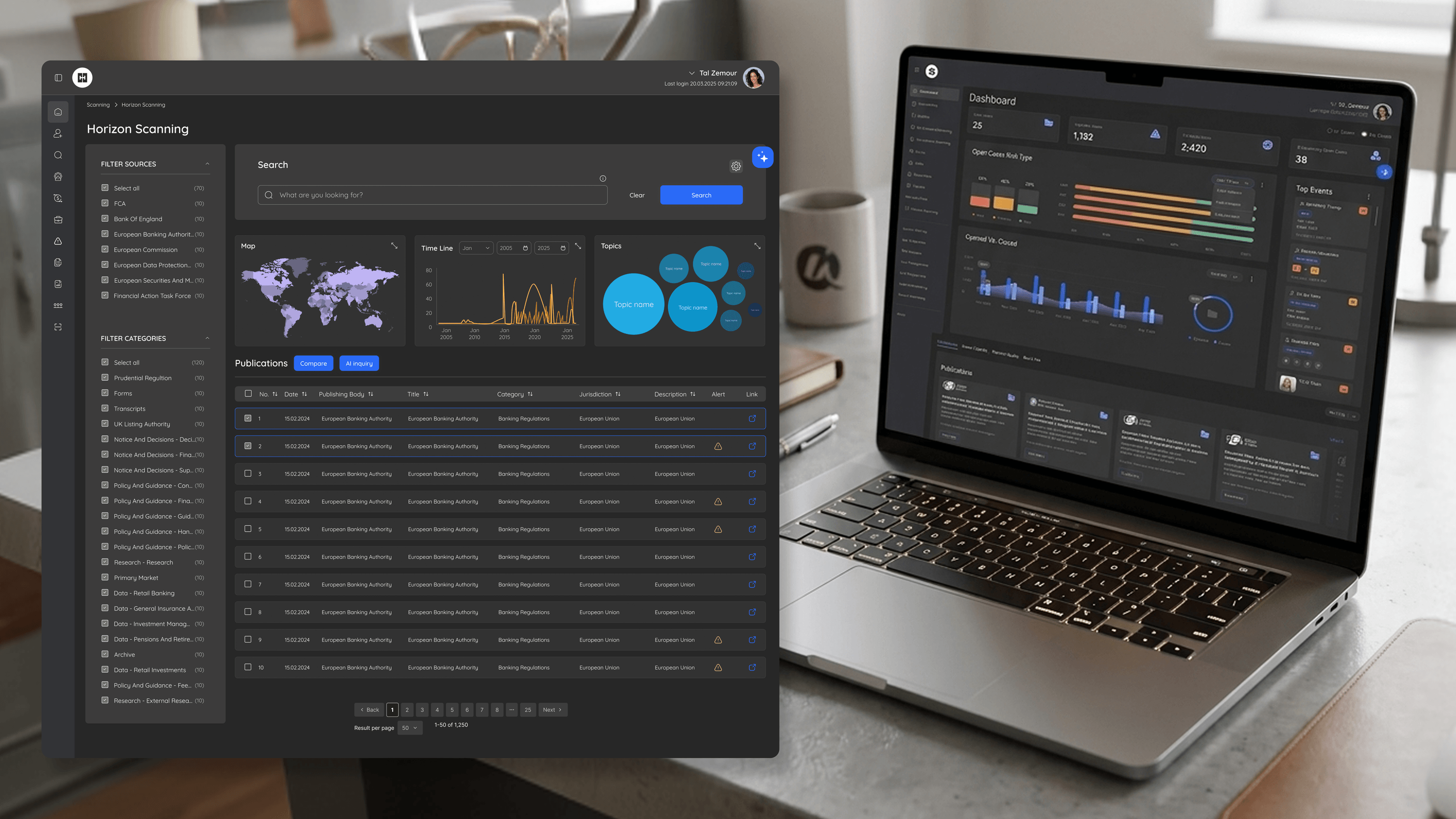
When CEOs hear personalization, they picture consumer-style tailoring to individual users. In a risk-intelligence platform, I had to reframe that entirely. On BlackSwan, the meaningful personalization isn't to a person's taste — it's to an institution's risk posture. Two banks screening the same entity can legitimately reach different conclusions, because their geographic exposure, appetite, and regulatory obligations differ. That's exactly what the Risk Engine is for: module weights, geographic rules, and PEP/sanctions thresholds are the tailoring mechanism. I designed it so configuring that posture became a visual, real-time, auditable decision system rather than buried settings, because the bank's model of risk is the product's real personalization layer. The role-level distinction matters too. Analysts doing daily reviews and investigators researching flagged entities need the same underlying truth presented to fit very different work — condensed triage in Explore versus deep relationship mapping on the Entity page. For a CEO, the strategic point is this: tailored models here aren't a feature you bolt on for stickiness. They're how the platform respects that risk is institution-specific. Get that right and the product fits each bank's reality instead of forcing every bank into one opinionated default.
Related articles

About
Making complicated into easy for users.
Senior product designer with a decade of work across complex systems - financial risk platforms, legal operations, healthcare apps, manufacturing tooling and insurance portals. The common thread is depth: products where the data is rich, the users are expert, and the interface has to disappear into the work.