
Where the Risk Engine Pays for Itself
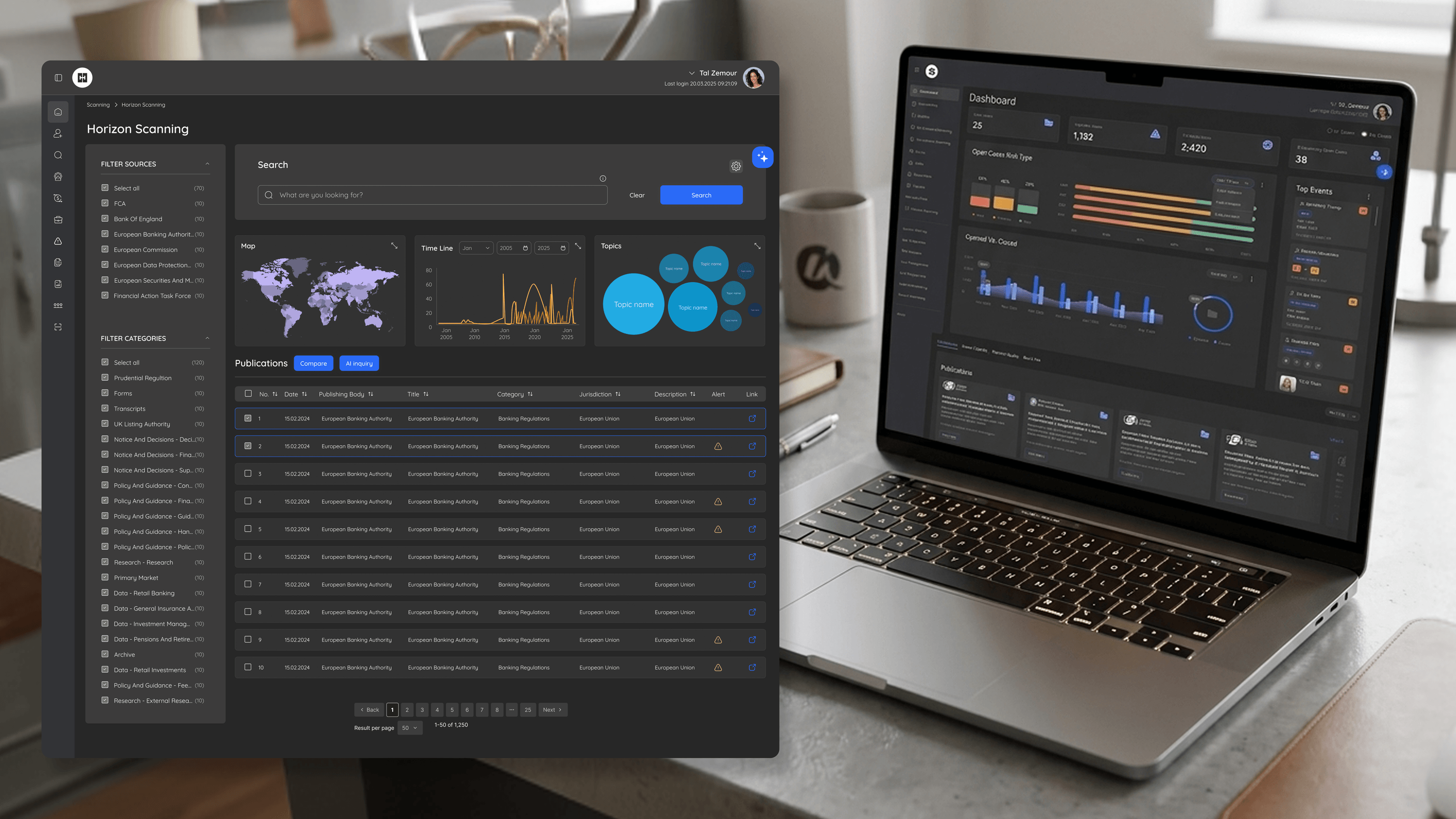
When a CEO asks where design ROI actually lives in a risk-intelligence platform, I point to one surface: the Risk Engine on BlackSwan. It was the hardest thing I designed, and it's also where the economics are clearest. Before, admins configured module weights, geographic rules, and PEP/sanctions thresholds through nested forms — a structure that hid the consequences of every change. The cost wasn't theoretical: misconfigured thresholds mean analysts drowning in false positives or, worse, real risk slipping past review. I restructured it into four core engines with drill-down rules, turning configuration into a visual, real-time, auditable decision system. The return shows up in places a CEO cares about. Tuning that took specialist hand-holding becomes something an admin does confidently. Every change is auditable, which matters when a regulator asks why a threshold was set the way it was. And analysts spend their attention on entities that deserve it. I don't measure that feature in screens shipped; I measure it in decisions made faster and defended more easily. For a bank, that's not a UX nicety — it's the difference between a tool that's trusted and one that's worked around.
Related articles

About
Making complicated into easy for users.
Senior product designer with a decade of work across complex systems - financial risk platforms, legal operations, healthcare apps, manufacturing tooling and insurance portals. The common thread is depth: products where the data is rich, the users are expert, and the interface has to disappear into the work.