
Testing a Spatial Configurator Without CAD
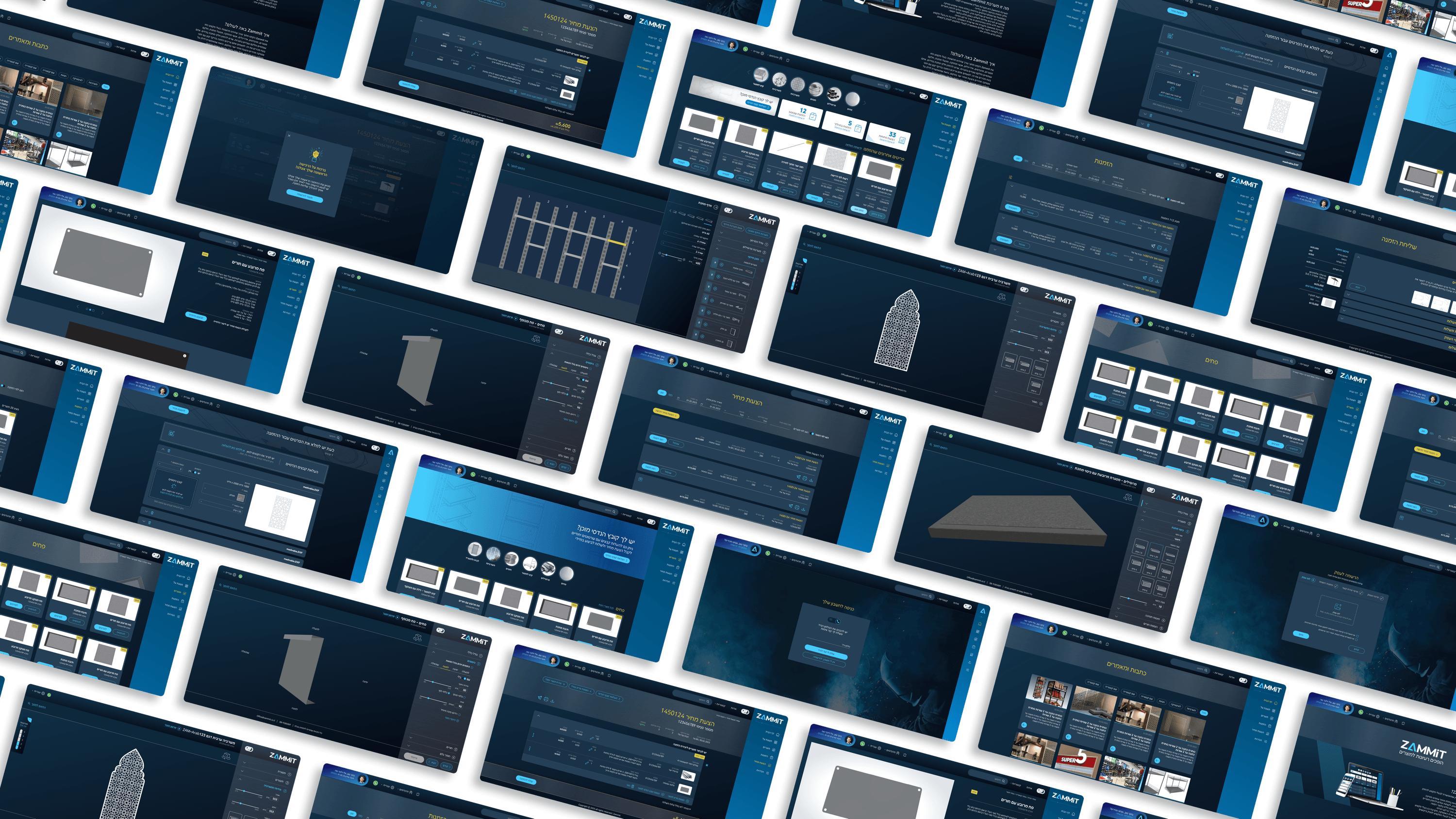
The Retail Shelving Planning System was our flagship and our biggest usability risk. We were asking people to define overall dimensions, shelf count, edge profiles, per-shelf depth, and placement — essentially a spatial layout — without any CAD knowledge. If users got lost there, the whole self-serve premise collapsed. So I treated usability testing as a recurring checkpoint, not a one-time gate. From a PMO lens, that mattered: testing was scheduled against delivery milestones so findings landed while there was still time to change a flow, not after a configurator was locked. We watched where people hesitated — usually the moment abstract dimensions had to become a real shelf in their head — and adjusted the sequence and feedback so each choice confirmed itself visually. Working inside the DriveWorks engine added a constraint: not every fix was free, so I tested early enough to distinguish problems worth engineering effort from those solvable with copy or ordering. For project managers, the value of disciplined usability testing is predictability. It converts a vague risk — 'will buyers manage without sales help?' — into specific, scheduled, resolvable issues instead of a surprise discovered at launch.
Related articles

About
Making complicated into easy for users.
Senior product designer with a decade of work across complex systems - financial risk platforms, legal operations, healthcare apps, manufacturing tooling and insurance portals. The common thread is depth: products where the data is rich, the users are expert, and the interface has to disappear into the work.