
Working Under Classification With Communication Gaps: How Do You Design Systems in Environments Where Not Everything Can Be Shown?
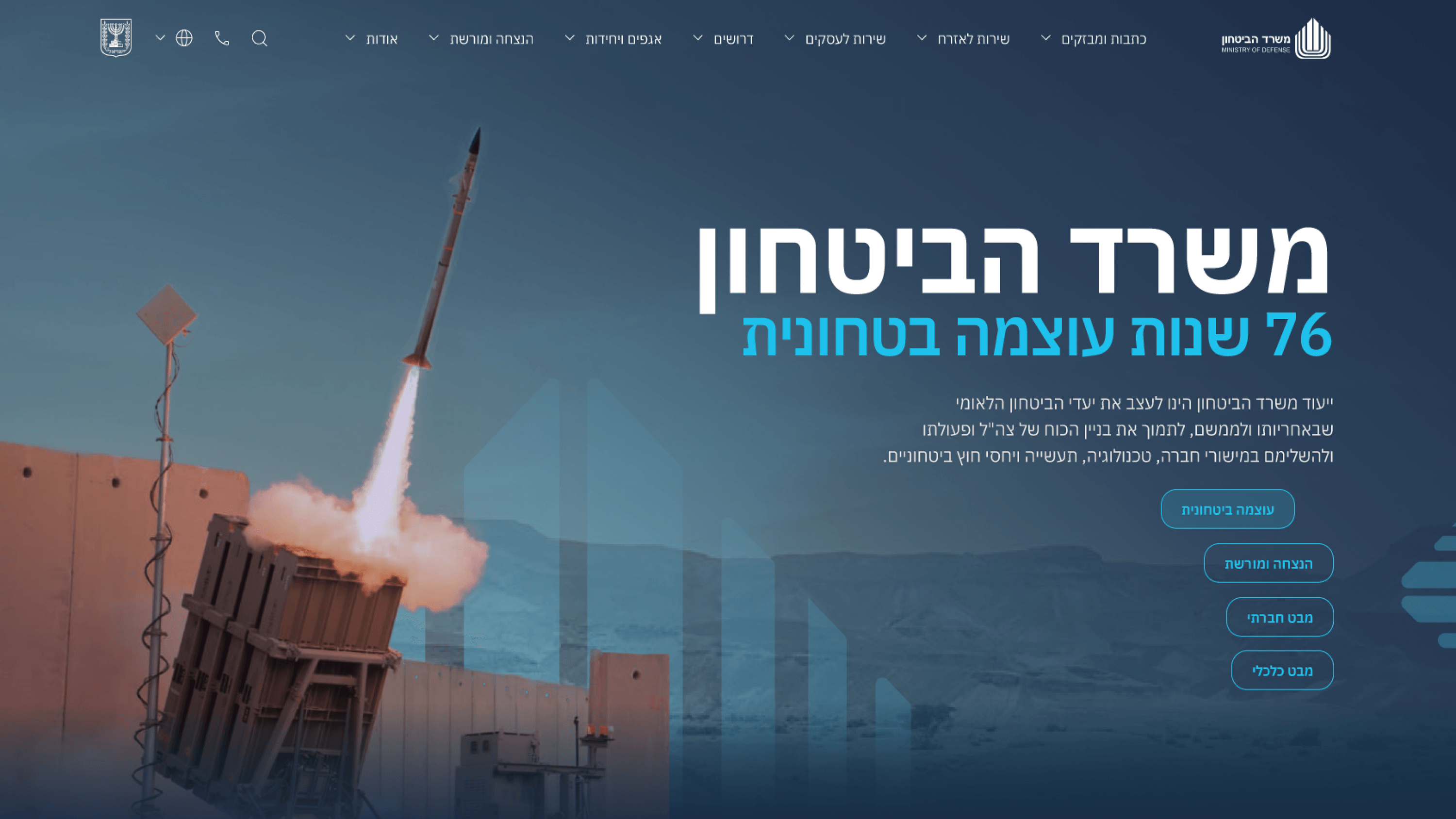
Engineering leaders working on classified projects know this challenge: you can't always show the designer all of the information. Sometimes the regulations limit the exposure of certain technical details, and sometimes the design team working from the outside isn't cleared to view information at the highest classification level. In a situation like that, how do you build a unified, functional system?
Working with the Ministry of Defense, we developed a methodology that tackles exactly this challenge. Instead of requiring full access to all the information, we created a process of "Abstracted Information." The technical team describes the system's needs at the concept level (type of data, hierarchy, use cases) without exposing the concrete classified content. The designer creates generic UI structures that fit any content that will be fed in, and a final fit-check is performed in a secure environment.
This approach not only meets the information security requirements — it also produces a stronger product. A design that isn't "glued" to specific data is a modular design that functions well even when the information changes. The UI components are designed to handle a wide range of values, and Edge Cases that perhaps weren't imagined in advance.
For engineering leaders working on classified or information-sensitive systems, the insight is this: bring on a designer who already works with this methodology. Experience working under security constraints produces a designer who designs smart, flexible, and ready for any scenario. This isn't just a security consideration — it's a product quality consideration.
Related articles

About
Making complicated into easy for users.
Senior product designer with a decade of work across complex systems - financial risk platforms, legal operations, healthcare apps, manufacturing tooling and insurance portals. The common thread is depth: products where the data is rich, the users are expert, and the interface has to disappear into the work.