
A DefenseTech Startup: How Do You Design a Product That Passes the Acceptance Rules of Defense Organizations?
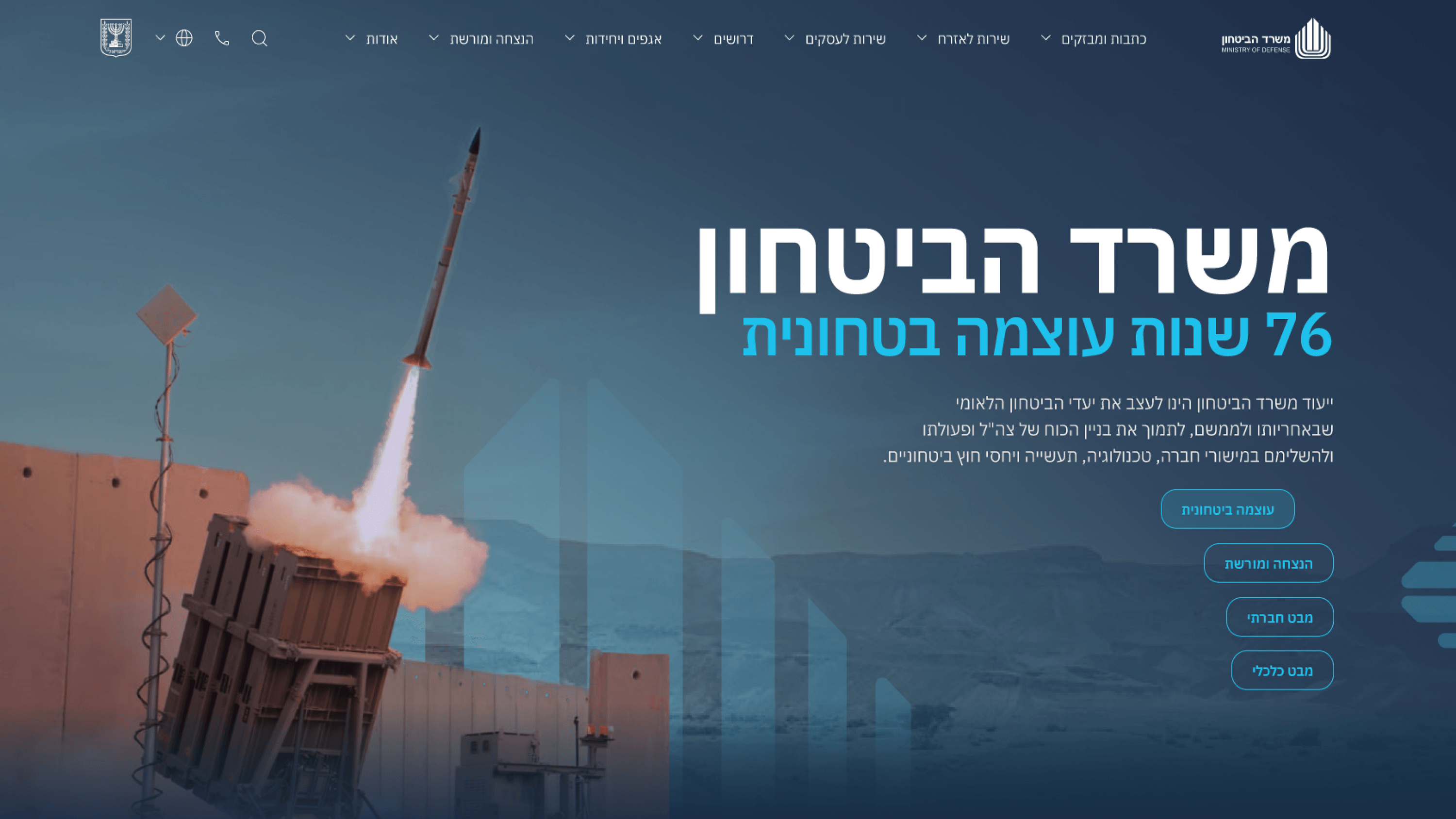
Founders in DefenseTech and Critical Infrastructure face a unique challenge: their target market is the hardest in the world to break into. Defense organizations, power companies, transportation systems — they all demand lengthy approval processes, high technical standards, and information security requirements that don't exist in other industries. A founder who arrives with an excellent product but a UI that doesn't meet those standards — gets rejected before anyone even looks at the technology.
In my work with the Ministry of Defense, I learned exactly what those standards are and what these organizations look for in product design. They look for: methodical rigor (every design decision is documented), consistency (the same component behaves the same way everywhere), operational accessibility (even a user with an unusual cognitive shift can operate the system intuitively), and visual credibility (the design conveys seriousness, not "startup-iness").
For founders launching a DefenseTech startup or trying to break into this market, my experience is a powerful competitive tool. I deeply understand the visual communication language of these organizations, and I know how to design a product that not only works technically, but signals in every corner "we understand your world." That's the difference between a startup that gets a first meeting and a startup that wins a contract.
Related articles

About
Making complicated into easy for users.
Senior product designer with a decade of work across complex systems - financial risk platforms, legal operations, healthcare apps, manufacturing tooling and insurance portals. The common thread is depth: products where the data is rich, the users are expert, and the interface has to disappear into the work.