Meytal Dahan
Back to insights

Augmenting Your Outsourced Workforce for HealthTech Projects: Expert Support for Studios With No Medical Background
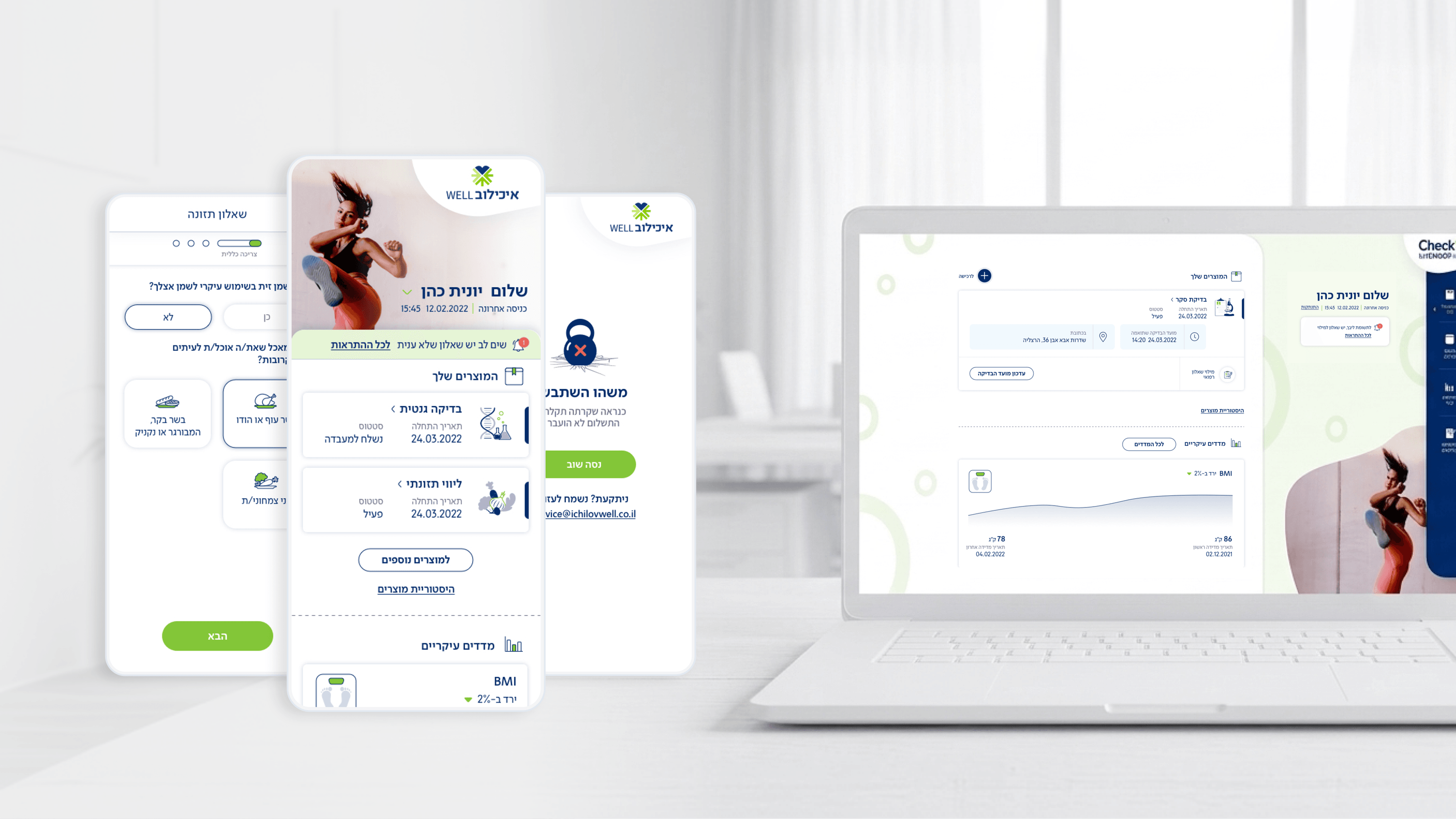
Movement — Corporate Health Checkup App for Ichilov Hospital
A product design studio that wins a medical app or health platform project quickly realizes it's dealing with a completely different content domain. You need to understand medical terminology, test protocols, Ministry of Health regulation, and the Workflow of medical staff. Recruiting a designer with a specific HealthTech background is a nearly impossible task in the Israeli market, and the learning curve for a designer new to the field is especially long. My experience in digital health projects, and in the Movement app for Ichilov in particular, lets a studio get expert Plug & Play support. I come into the project already familiar with the content domain: which screens are critical and demand special attention, how to communicate with doctors and nurses in specification meetings, and which accessibility standards and regulations need to be taken into account. For the studio, the advantage is fast, professional delivery without the need to keep a permanent employee on a niche project. I join as part of the team, communicate directly with the end client (the hospital, the MedTech company, or the insurer), and provide deliverables that the studio's development team can easily implement. Studio leaders weighing whether to take on a HealthTech project – don't pass up the opportunity. Get in touch and we'll build a shared working framework together that combines my capabilities in the field with your management and your clients.

Get in touch

Have a project in mind?

Drop a line. Meytalyav@gmail.com

Related articles

Movement
CEOsSpecific Feature ROI

What One Glance-able Dashboard Actually Returns

The dashboard in Movement (Ichilov's corporate checkup app) wasn't a 'nice to have' — it was the business case. In a B2B2C benefit, a product nobody reopens isn't a benefit, it's a cost that gets cut at renewal. So I designed the home screen to answer one question on open: where am I in my care right now? Purchased checkups, next appointment, latest measurements, recent results. The most expensive feature isn't the complex one — it's the one that drives downloads but no return visits, because you pay acquisition twice. Retention is the ROI. Design for the moment of reassurance, not screen time.

Read
Movement
Engineering LeadersProject-Specific Data Visualization

Visualizing Body Measurements and Results Without Pretending to Diagnose

Movement shows real body measurements and checkup results, to people who are checking in, not being treated. That boundary drove the engineering. The hard part of data viz isn't the chart, it's the data contract: reference ranges, units, result states, and graceful handling of pending or missing values across many orgs. Visualize for orientation, model for truth, and never let the chart claim more than the data honestly supports. Liability and clarity in one decision.

Read
Movement
Engineering Leaders

Edge Cases in Health Systems: How Do You Design Error Screens and Critical Health Alerts?

Engineering leaders on health apps, edge cases aren't a "Nice to Have" – they're an existential requirement. In a medical system, an unclear error screen = a possible misdiagnosis. In Ichilov's Movement project, we documented every exceptional state from day one with a dedicated UI component. Require your designers to document edge cases before you write any code.

Read
Meytal Dahan

About

Making complicated into easy for users.

Senior product designer with a decade of work across complex systems - financial risk platforms, legal operations, healthcare apps, manufacturing tooling and insurance portals. The common thread is depth: products where the data is rich, the users are expert, and the interface has to disappear into the work.