
Handing Off Many Fields, Many Roles, Many Rules
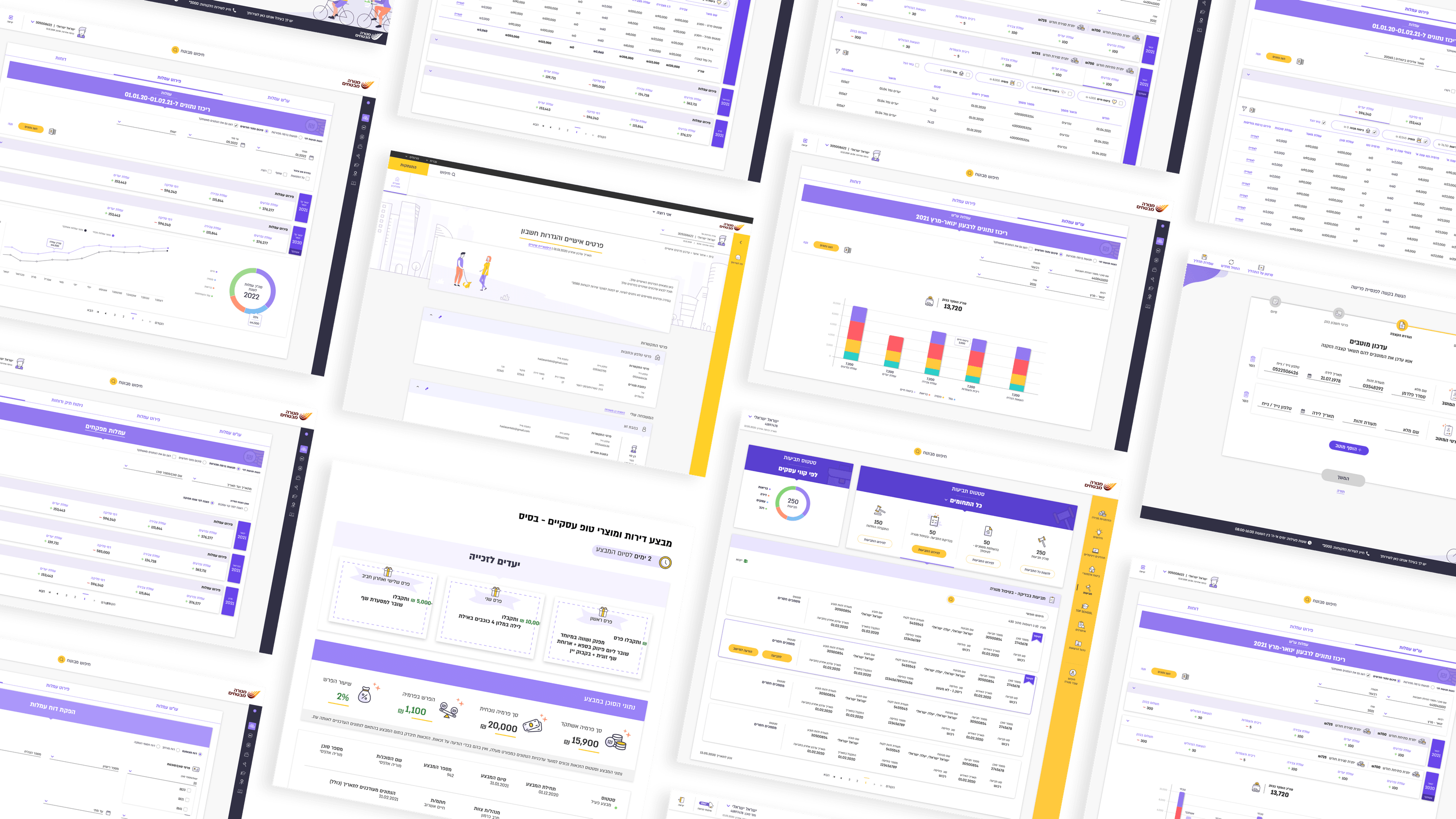
A handoff is easy when a screen has one state. Menora's flows almost never did. A single sales view changes depending on whether you're an agent, a district manager, or an underwriter; a single fee screen shifts with multi-axis filters and conditional rules. So the real deliverable wasn't a layout — it was the matrix of states behind it.
For a PMO, that's where handoff risk concentrates. If developers have to guess what an underwriter sees versus a team lead, you get rework, slipped dates, and ambiguous "is this a bug?" tickets. I structured handoff around the conditions: which fields appear for which role, what each filter combination produces, what the empty and edge states look like. The visual design was the smaller half of the package.
That let engineering estimate against something concrete and let me track progress against a checklist of states rather than a vague sense of "the screen." Handoff on a system this conditional is a contract about behavior, not a picture. Spell out the rules, and delivery stops being a negotiation mid-sprint.
Related articles

About
Making complicated into easy for users.
Senior product designer with a decade of work across complex systems - financial risk platforms, legal operations, healthcare apps, manufacturing tooling and insurance portals. The common thread is depth: products where the data is rich, the users are expert, and the interface has to disappear into the work.