
One Dataset, Five Tailored Lenses
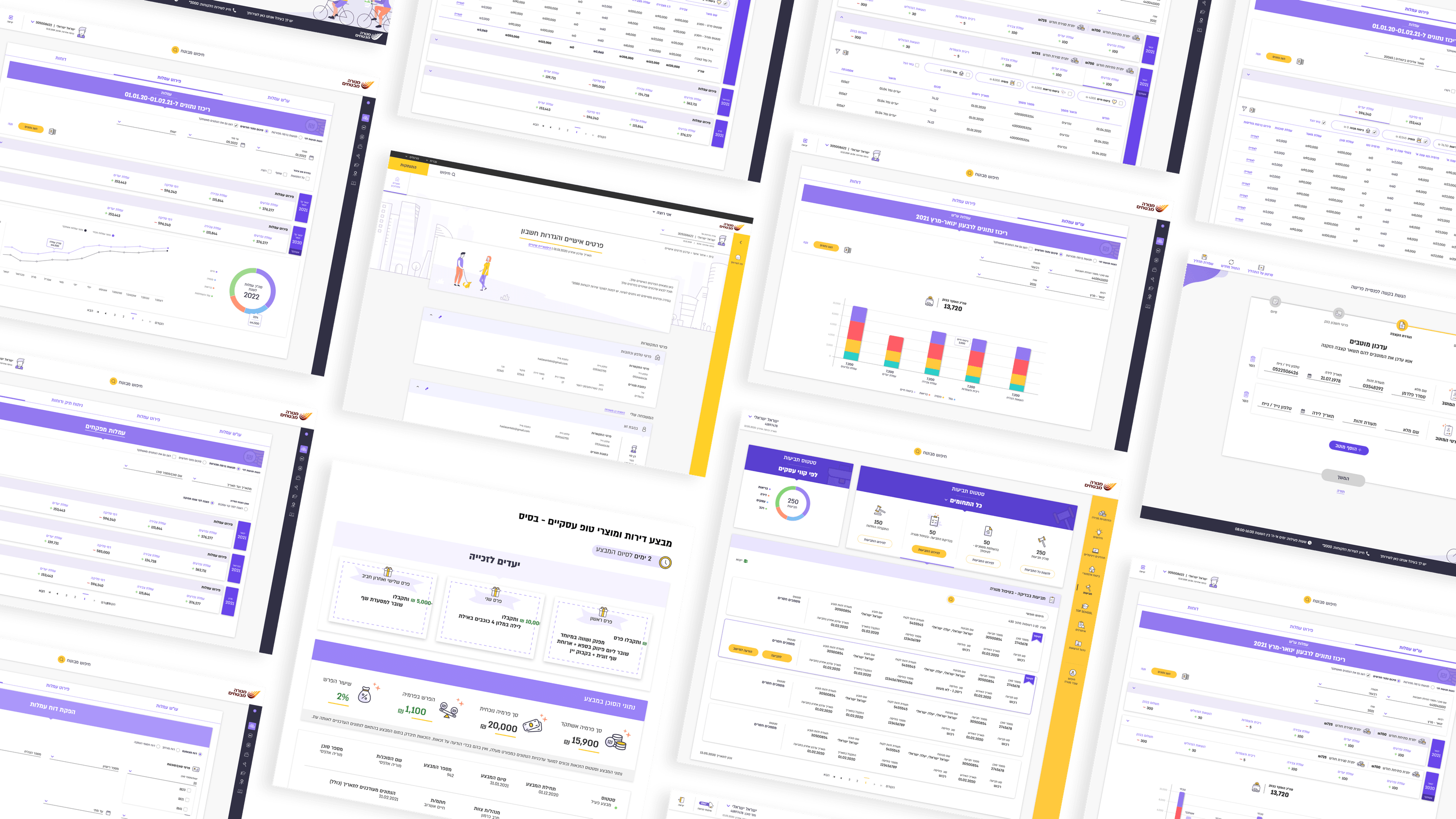
When CEOs hear 'personalization,' they often picture consumer recommendation engines. The version that drove real value at Menora was quieter and, I'd argue, more durable: role-based personalization inside the sales system. The same underlying data was consumed by five roles — agent, marketing, district manager, team lead, underwriter — and each needed it framed through its own lens. An agent and a district manager are looking at related numbers but asking completely different questions, and a one-size interface forces both to wade through noise to reach their slice. The strategic move wasn't to build five products. It was to model the data once and tailor the presentation, defaults, and emphasis per role — so each person opened the system to something that already felt built for their job. For a CEO, this is the high-leverage form of personalization: it raises productivity across the whole org without fragmenting the source of truth or multiplying maintenance. Tailored models don't have to mean machine learning or consumer-style profiling. In enterprise software, the most valuable personalization is often this — disciplined role-awareness over a single, trusted dataset. One spine, many lenses, no duplicated truth.
Related articles

About
Making complicated into easy for users.
Senior product designer with a decade of work across complex systems - financial risk platforms, legal operations, healthcare apps, manufacturing tooling and insurance portals. The common thread is depth: products where the data is rich, the users are expert, and the interface has to disappear into the work.