
Documentation so the portal outlives the project
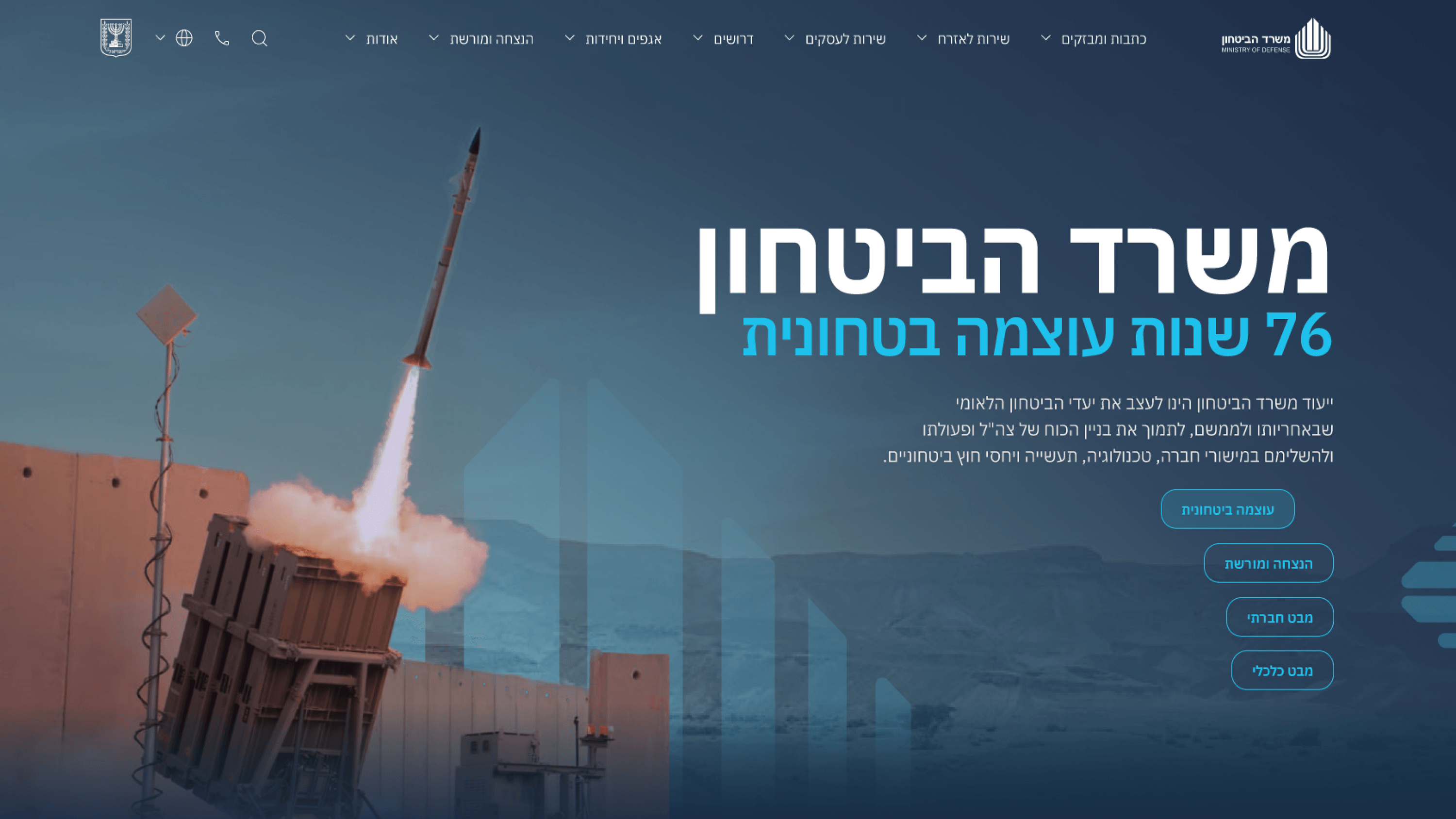
A government communications portal is never really 'finished.' The Ministry of Defense will keep publishing new milestones long after a project phase closes, which means the real test of my work isn't launch day - it's whether the ministry's own teams can extend the site without eroding the tone, the accessibility, or the visual system. From a PMO perspective, that's continuity risk, and documentation is how you retire it. So I treated organizational handoff as a deliverable in its own right. The design system was documented as a living reference - components, states, spacing, typography and the rationale behind the authoritative-but-not-dry tone - so future updates inherit decisions rather than reinventing them. I captured the responsive and WCAG guidelines as rules the team could apply to new pages, not just the ones we shipped. The aim was to make good decisions the path of least resistance for whoever maintains it next. Documentation here isn't archival housekeeping; it's how institutional knowledge survives staff turnover and project boundaries. When the next strategic story needs telling, the people telling it should find a system that guides them - not a black box they're afraid to touch.
Related articles

About
Making complicated into easy for users.
Senior product designer with a decade of work across complex systems - financial risk platforms, legal operations, healthcare apps, manufacturing tooling and insurance portals. The common thread is depth: products where the data is rich, the users are expert, and the interface has to disappear into the work.