
First-Run Onboarding for People Who'd Never Configured Without a Rep
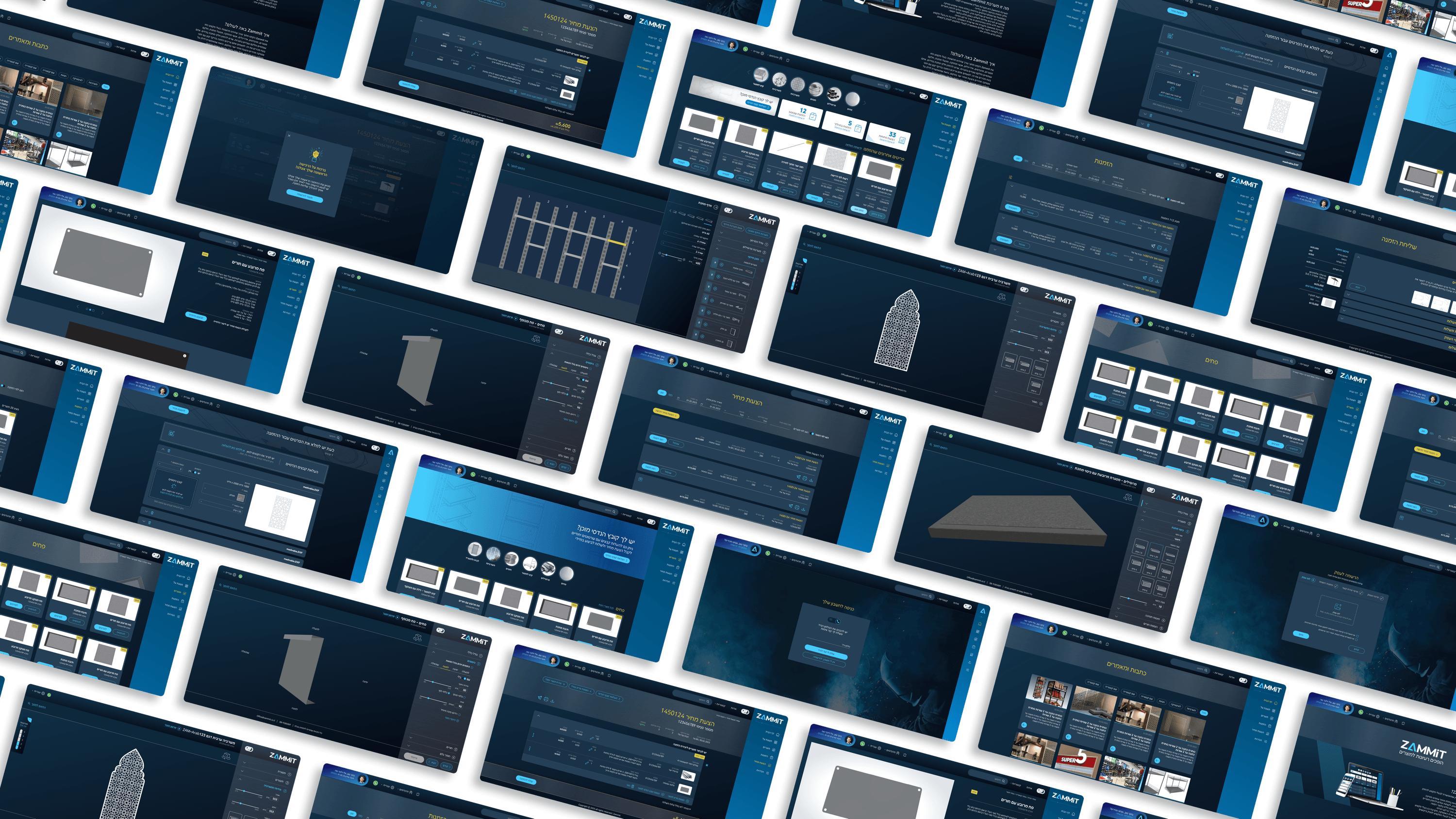
Every Zammit user arrived with the same first-run problem: they had always bought custom laser-cut products by talking to a salesperson, and now they were being asked to configure and order one alone. First-run onboarding had to bridge that exact gap. As a PM, I'd frame the goal as reaching the first confident configuration before the user decides this is too complicated and reaches for the phone. So onboarding wasn't a tour of features — it was orientation toward the first real decision. On the shelving system, that meant starting users from sensible defaults rather than a blank spatial canvas, so the very first screen already showed a valid, plausible product they could react to and adjust. Editing something concrete is far less intimidating than constructing from nothing. I let the configurator's own structure and the running summary teach the model as users went, instead of front-loading explanation they'd forget. Across the segment onepagers, the entry point was framed per audience so an architect and a retail professional each saw a relevant starting path. The metric that matters: did a first-time, unassisted user reach a configuration they trusted enough to request a quote? Onboarding existed to make that yes.
Related articles

About
Making complicated into easy for users.
Senior product designer with a decade of work across complex systems - financial risk platforms, legal operations, healthcare apps, manufacturing tooling and insurance portals. The common thread is depth: products where the data is rich, the users are expert, and the interface has to disappear into the work.