
Interactive Prototypes with Insane Polish: A Studio's Secret Sales Tool
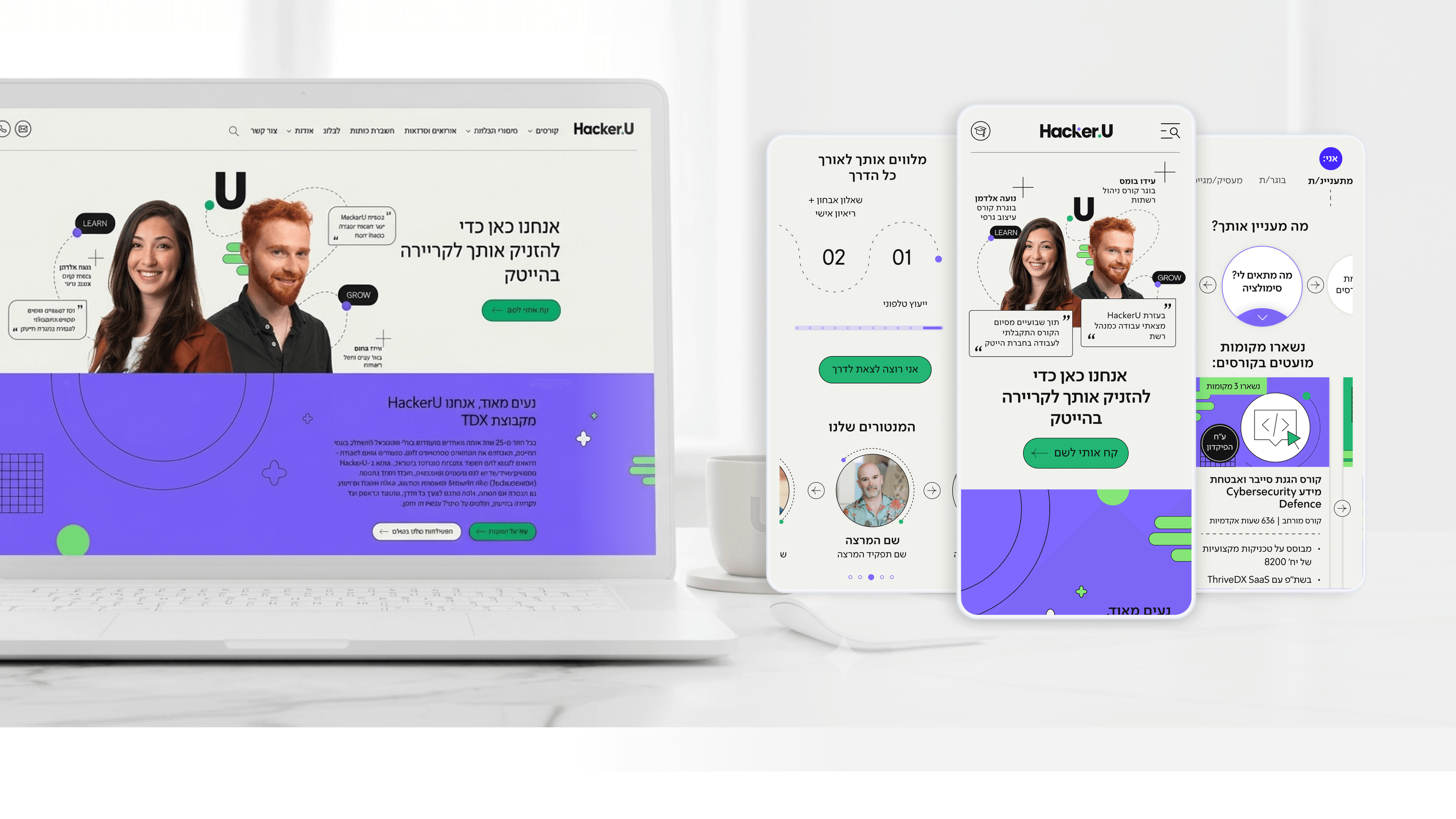
Product design studio leaders know that the foundation for winning big clients is the first presentation. When a studio pitches a prospective client a proposal on a large project, the ability to present an interactive prototype that simulates exactly the experience of the final product can be the difference between winning the client and losing them. Most studios settle for static screens or slide decks, and that's no longer enough in today's competitive market.
In the Hacker U project we created an interactive Figma prototype with insane polish - the kind you can show the college's CEO and make them "feel" that the product already works. The transitions between screens, the micro-interactions, the responses to user actions - everything was tuned to convey the product's real experience. That's how the college managed to communicate its vision to all internal and external stakeholders even before development began.
My experience building high-polish interactive prototypes means that a studio looking to win big projects can use me as a "secret sales tool." Ahead of a significant sales meeting, we build a prototype together that demonstrates exactly the studio's vision for the client - letting you close the deal at a higher price and with greater certainty.
Studio leaders who want to upgrade their sales strategy - get in touch. The interactive prototype is the secret weapon that separates a studio offering "design" from a studio offering "product vision."
Related articles

About
Making complicated into easy for users.
Senior product designer with a decade of work across complex systems - financial risk platforms, legal operations, healthcare apps, manufacturing tooling and insurance portals. The common thread is depth: products where the data is rich, the users are expert, and the interface has to disappear into the work.