
Digital Health as an Organizational Growth Engine: The ROI of Improving Medical Service Through an App
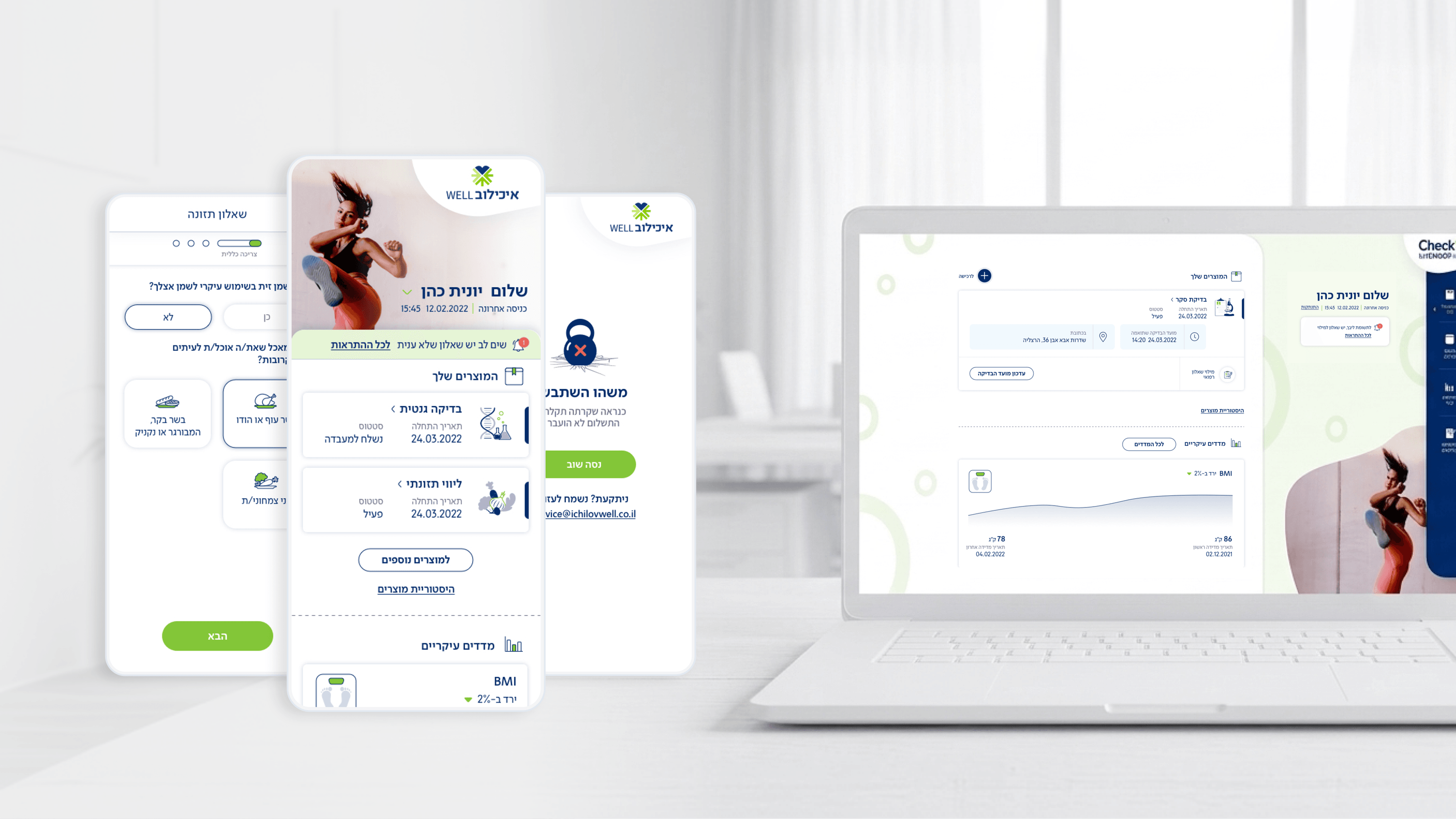
CEOs of hospitals and large medical institutions face a dual business challenge: improving patient satisfaction and streamlining operating costs at the same time. In an era when healthcare consumers expect a digital service experience on par with the big tech companies, traditional medical bodies that lag on digital transformation lose patients, suffer reputational damage, and miss out on new economic opportunities.
Ichilov Hospital's Movement project is an excellent example of exactly this kind of strategic thinking. Instead of confining its diagnostic services to the physical walls of the hospital, Ichilov opened up an entirely new revenue channel through a B2B2C model: organizations subscribe to the service as an employee benefit, and employees enjoy comprehensive health diagnostics through an app. This isn't just an app – it's a new product play that expands the hospital's target market, generates recurring revenue, and strengthens its public brand as an innovative institution.
The digital product design is the factor that determines the success or failure of a business move like this. An app that doesn't run smoothly will generate complaints from subscribing organizations and lead them to cancel. Good design, by contrast, creates organizational ambassadors who push HR managers to sign on for additional services.
For CEOs of medical institutions, investing in digital user experience design is not an operating expense – it is a strategic investment in new revenue channels and in strengthening the brand in a competitive healthcare market.
Related articles

About
Making complicated into easy for users.
Senior product designer with a decade of work across complex systems - financial risk platforms, legal operations, healthcare apps, manufacturing tooling and insurance portals. The common thread is depth: products where the data is rich, the users are expert, and the interface has to disappear into the work.