Meytal Dahan
Back to insights

Running a Digital Project in a Legal Organization: How Do You Hit Deadlines When Partners' Time Is Worth Gold?
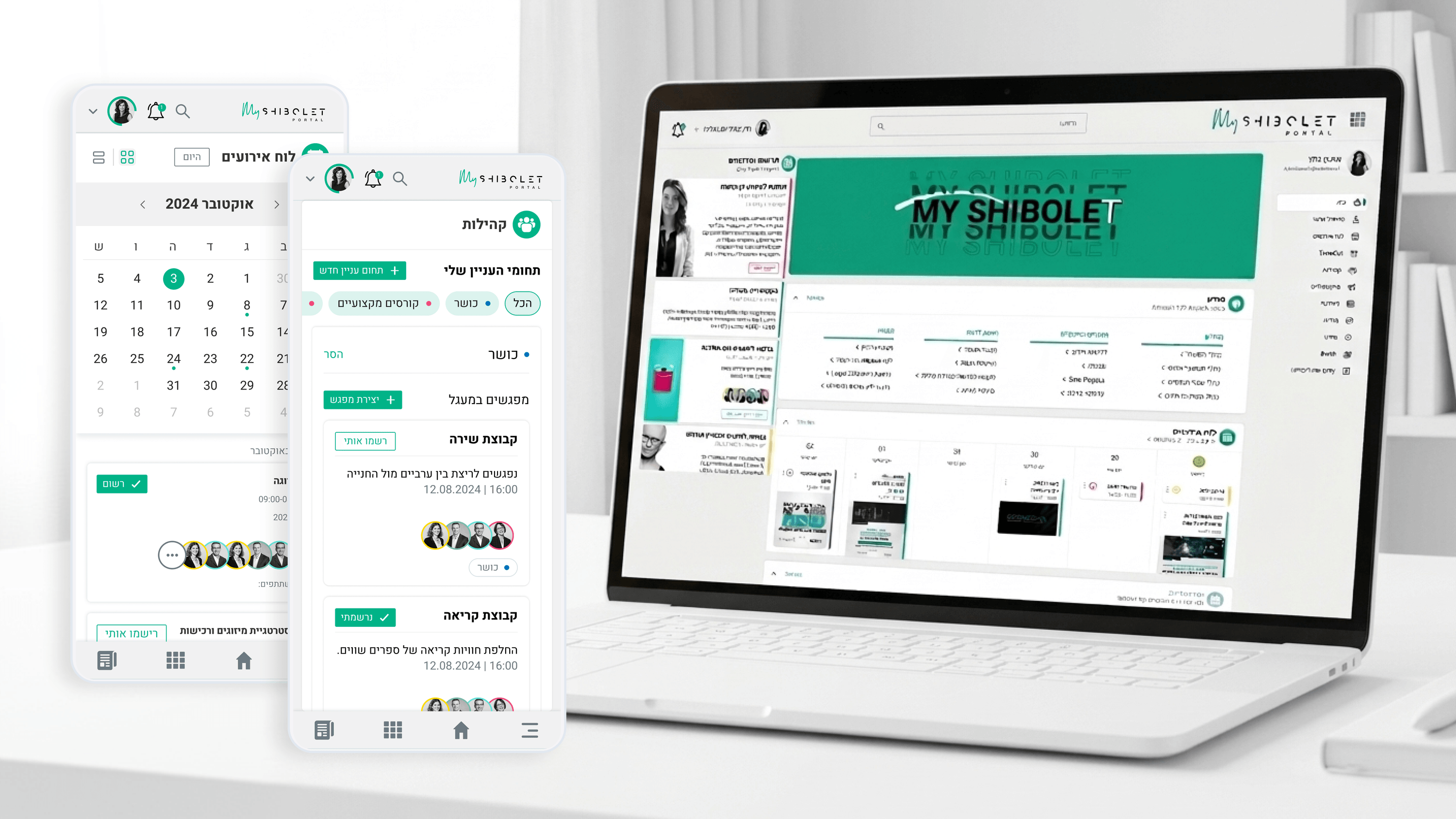
Shibolet & Co. — Designed the firm's internal community hub - balancing the gravitas of a top legal practice with a social tone inviting enough that employees would actually use it - into a space precise enough to belong inside the firm and warm enough to feel lived-in.
Managing projects in legal organizations poses a unique challenge that barely exists in any other industry: every hour of a meeting with a senior partner translates into thousands of shekels the firm can't bill a client for. When you're building an internal platform for a firm like Shibolet & Co., every requirements meeting with stakeholders demands meticulous planning — maximizing output and minimizing time in the room. In this project, the working methodology was designed around a principle of "Batched Approvals." Instead of open-ended discovery meetings, the team presented partners with a series of structured mini-decisions, each accompanied by a visual presentation of 3 alternatives. Every partner could approve or comment in 15 minutes — not an hour. On top of that, the iterative work in Figma included interactive prototypes that demonstrated exactly how a feature would behave, which drastically reduced the number of rounds and clarifications from the legal team. The result was delivery exactly on schedule, with no budget overruns and no frustration from partners feeling that the project was "eating up their time." Project Managers in knowledge-intensive organizations need to understand that the most precious currency is the attention of experts, and every unnecessary meeting is a waste that can cost the organization in productivity.

Get in touch

Have a project in mind?

Drop a line. Meytalyav@gmail.com

Related articles

Shibolet & Co.
Engineering LeadersProject-Specific Data Visualization

Visualizing a Community, Not a Dashboard

Say data visualization to engineers and they picture analytics dashboards. Shibolet's internal community hub needed the opposite. It was a community hub for a law firm, not an admin reporting tool. The job was making events, courses, benefits, and interest groups scannable and inviting, with light cues like who's attending or active. No charting engine, no KPI grid. Project-specific data viz means the representation answers this domain's real question. Here it was always: what's happening in my community, and what's for me?

Read
Shibolet & Co.
Product ManagersTypography & Visual Hierarchy

Typography as Triage: Ordering a Legal Community Hub

PMs keep asking: how do users know what matters when one screen does five jobs? On Shibolet's internal hub, a single view carried a compliance notice, a new course, a firm event, and a community invite. I didn't solve that with more tabs. I solved it with typography. A deliberate type ramp let official items read with authority and social content stay warm, in the same layout. Visual hierarchy is product triage made visible. Get the type ramp right and you stop negotiating screen real estate per stakeholder.

Read
Shibolet & Co.
Product ManagersUser Research

Researching a Law Firm That Doesn't Talk About Itself Socially

On Shibolet's internal hub, the old site held benefits and course notices — and almost nobody used it. Research showed the blocker wasn't features. It was permission: employees at a top law firm weren't sure being social at work was sanctioned. The product question stopped being "what do we build" and became "what tone signals that community is welcome here." The best research doesn't hand you a feature list. It reframes the question you're actually answering.

Read
Meytal Dahan

About

Making complicated into easy for users.

Senior product designer with a decade of work across complex systems - financial risk platforms, legal operations, healthcare apps, manufacturing tooling and insurance portals. The common thread is depth: products where the data is rich, the users are expert, and the interface has to disappear into the work.