
Digital as a Force Multiplier for the Physical Chain: How Do You Raise Sales Without Hurting Your Branches?
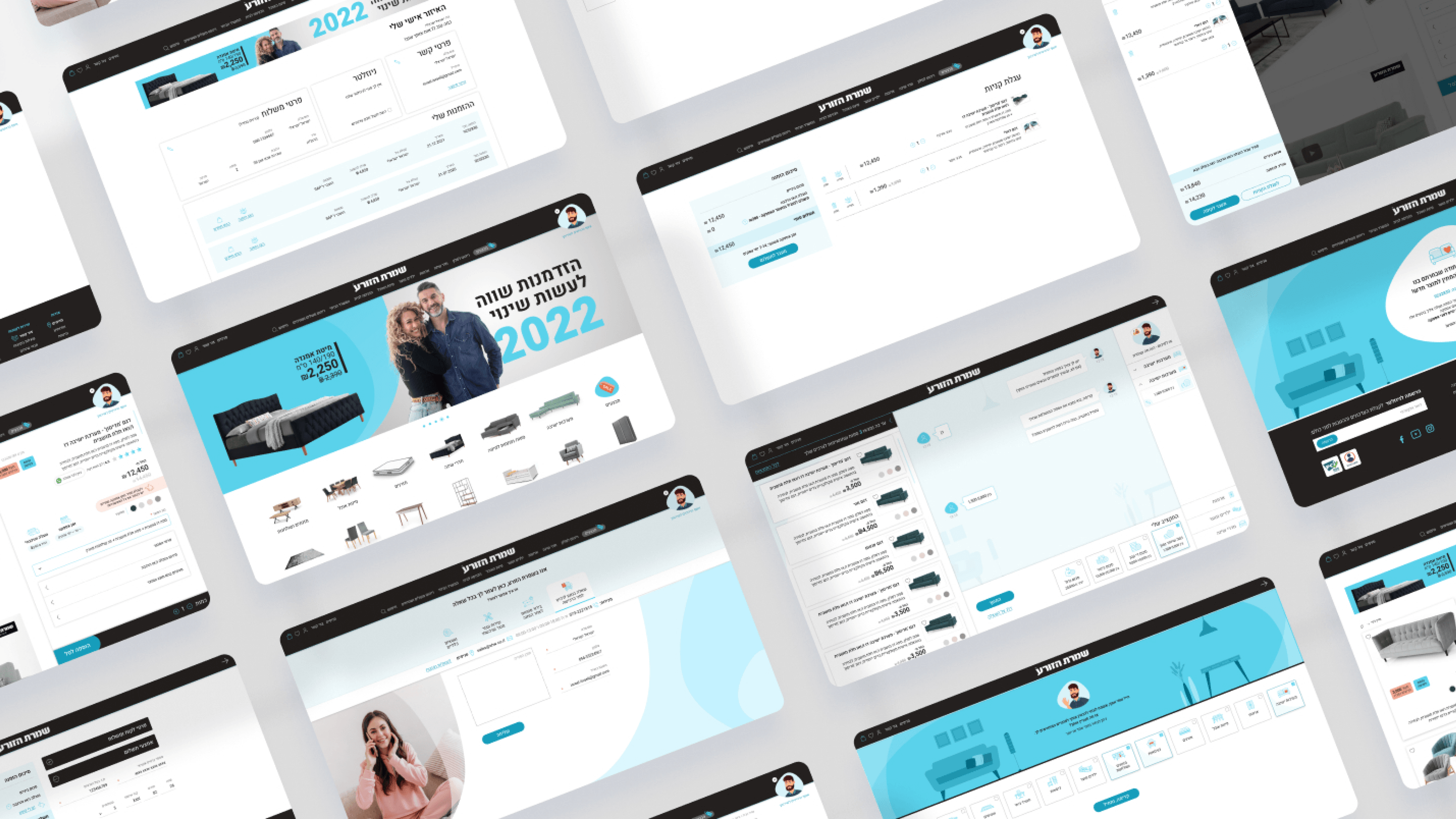
CEOs of established retail chains often wrestle with a strategic dilemma: how do you develop a strong digital channel without undercutting your physical branches? There's a well-founded fear that a strong e-commerce site will "steal" sales from the branches, sap the motivation of the field sales staff, and damage the chain's relationship with local managers.
In the work for Shomrat Hazorea, an established furniture chain with a broad physical presence across the country, the strategic approach was the opposite: designing the digital platform as a "force multiplier" for the branches, not a replacement for them. The site was designed to let customers do preliminary research, get a visual impression of the products, and make initial decisions — but the final process, especially for high-ticket items like sofas and bedroom sets, continues at the physical branch.
Designing the experience of the handoff between digital and physical is what's critical here. Every product the customer researches on the site is saved in the CRM system, and when the customer arrives, the branch rep gets a full picture of what they've already seen, which models they saved, and what their estimated budget is. This handoff turns the branch visit from "starting from scratch" into "a natural continuation of a process that's already underway."
For CEOs of physical chains who are torn over digital, the takeaway is this: getting the cross-channel handoff right turns digital from a competitor of your branches into their ally. Your branch managers receive warmed-up customers, armed with information and with the basic decisions already made. It doesn't threaten the branch — it upgrades it.
Related articles

About
Making complicated into easy for users.
Senior product designer with a decade of work across complex systems - financial risk platforms, legal operations, healthcare apps, manufacturing tooling and insurance portals. The common thread is depth: products where the data is rich, the users are expert, and the interface has to disappear into the work.