
A D2C E-Commerce Startup: How Do You Outflank the Giants With a Premium Configurator Experience?
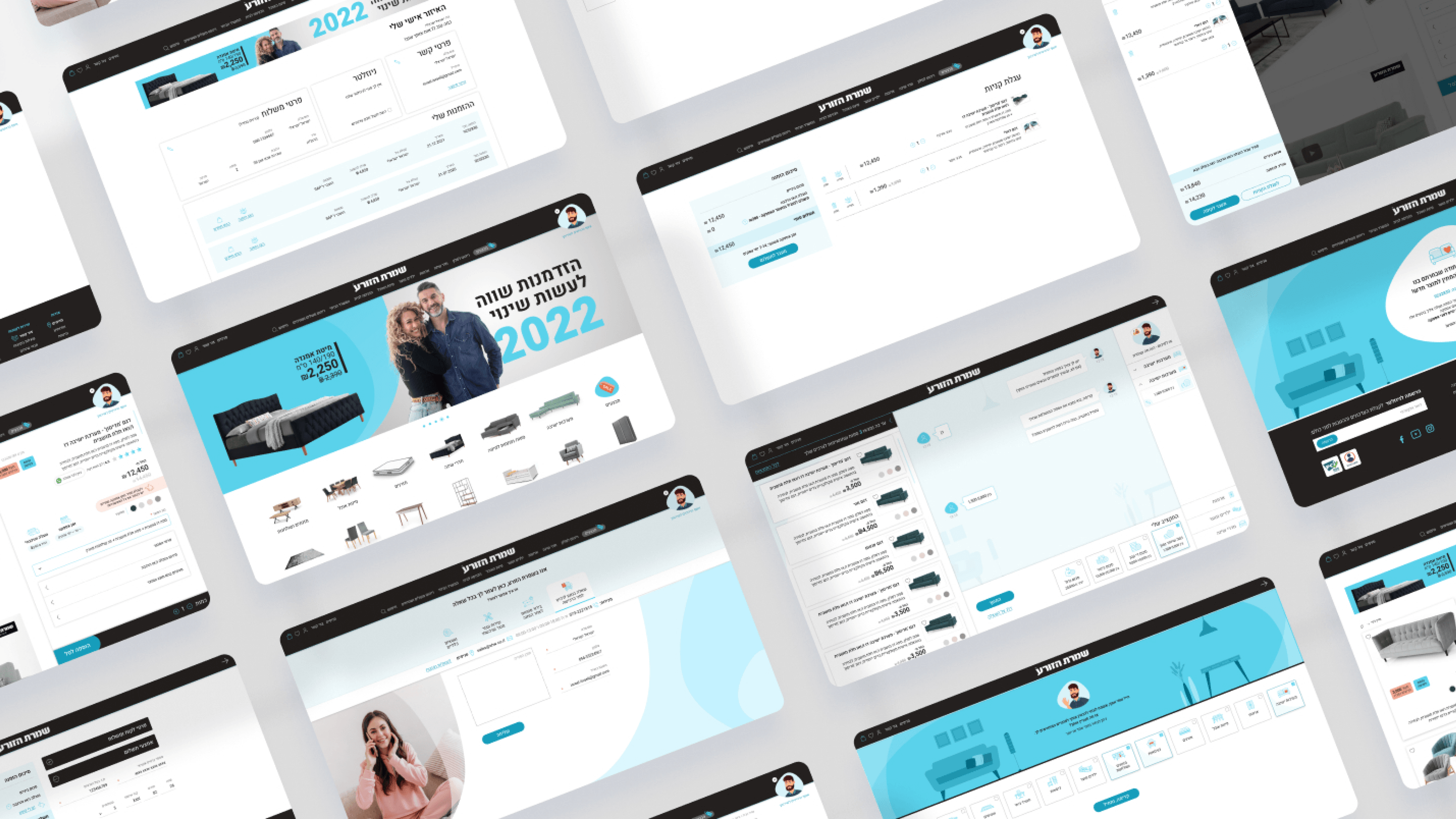
Founders in direct-to-consumer (D2C) commerce face fierce competition from international commerce giants like Amazon and Wayfair. Potential customers expect a shopping experience held to the highest standards, while still expecting products with the design and personalization that the giants can't offer. That is exactly where the opportunity lies for startups in designed furniture and custom-made products.
Working on the Shomrat Hazorea configurator platform, I developed design methods that deliver a level of shopping experience you won't find on the giants' sites. Instead of a flat catalog of images and text, we created an interactive experience in which the customer "builds" their piece of furniture step by step, sees a 3D preview of each choice, and gains a deep visual understanding of the product even before setting foot in a branch.
This experience doesn't just differentiate the brand — it also builds the customer's trust. When a customer sees every detail of the product and decides actively, they reach the checkout page with a high degree of certainty. Return rates drop, LTV rises, and referral rates to friends grow.
For D2C founders, the takeaway is this: your competitive advantage over the giants isn't price — it's the depth of the product experience. Invest in designing a configurator platform at the very highest level, and create an experience for your customers that simply can't exist on Amazon. That's the difference between a startup that outflanks the giants and a startup that competes with them on price and loses.
Related articles

About
Making complicated into easy for users.
Senior product designer with a decade of work across complex systems - financial risk platforms, legal operations, healthcare apps, manufacturing tooling and insurance portals. The common thread is depth: products where the data is rich, the users are expert, and the interface has to disappear into the work.