
Managing a Digital Project in a Retail Chain: Syncing Commerce, Inventory, and Field Teams
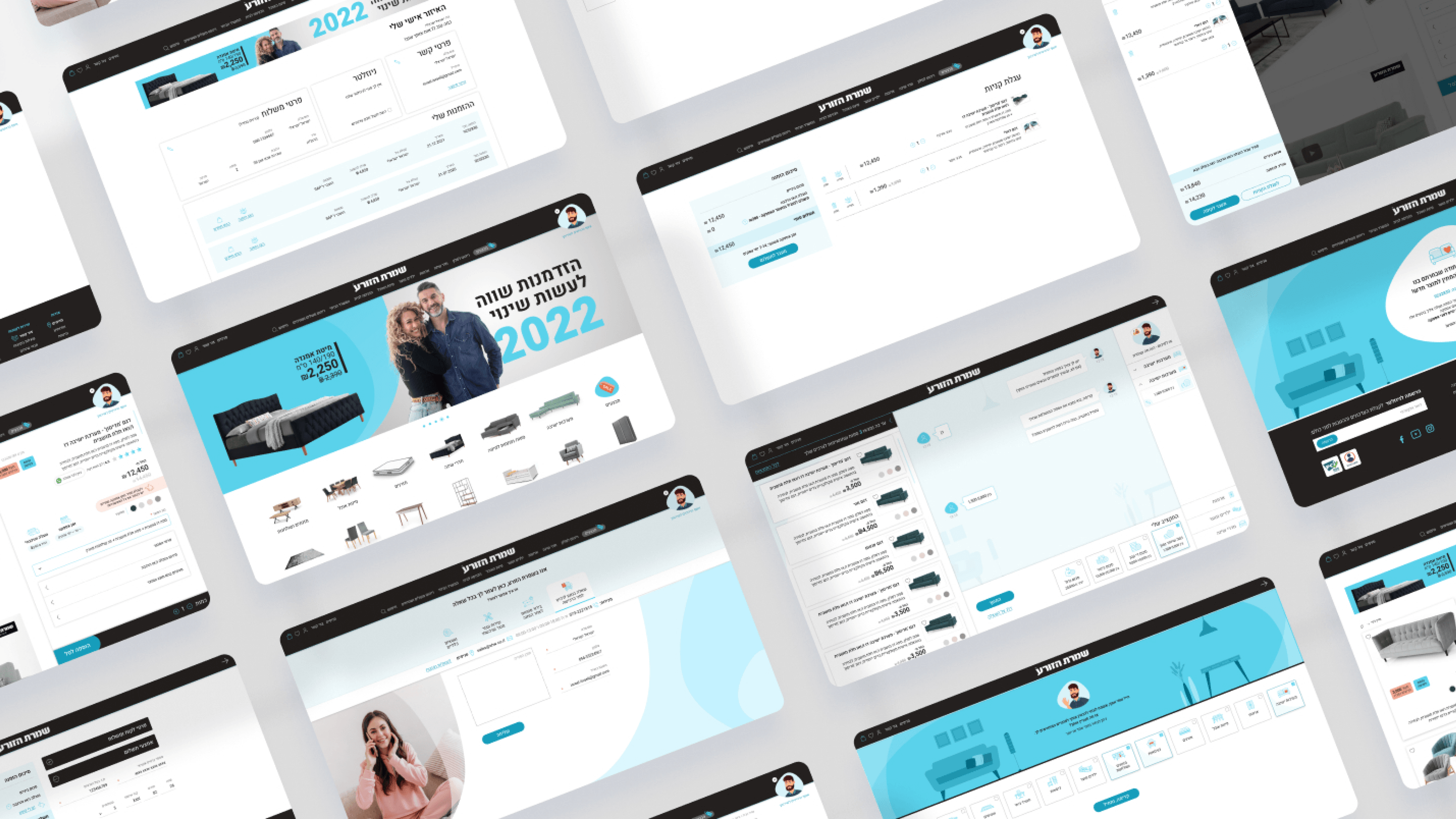
Project managers leading digital initiatives in large retail chains know this is one of the most complex challenges in the project world. Unlike classic tech projects, here you have to synchronize sales systems, inventory systems, in-store field teams, the marketing team, and of course — the end customer. Every decision in the digital system affects processes across the company's branches.
In the project for Shomrat Hazorea, the working methodology was built on a detailed mapping of all the "sync loops" right from the requirements phase. Every step in the digital purchase process was documented along with its tie to the physical processes: How does placing an order affect inventory levels? How are the sales reps at the branch updated about an order in progress? What data needs to reach the warehouse to prepare a shipment?
This approach prevented a late-stage problem down the road. Instead of discovering a month before launch that "we forgot to connect the inventory system," everything was clear from the requirements stage. In addition, I introduced a Stakeholder Map that shows who makes decisions in each sync loop, which let me turn to the right stakeholder for any given decision instead of holding everyone up.
For project managers in retail chains, logistics companies, or any organization with combined physical-digital operations, the takeaway is this: invest at the start of the project in mapping the flow of information between all the systems and players. The time you put in there pays you back tenfold in avoided downstream delays.
Related articles

About
Making complicated into easy for users.
Senior product designer with a decade of work across complex systems - financial risk platforms, legal operations, healthcare apps, manufacturing tooling and insurance portals. The common thread is depth: products where the data is rich, the users are expert, and the interface has to disappear into the work.