
Where AI Earns Its Place in a Furniture Buying Journey
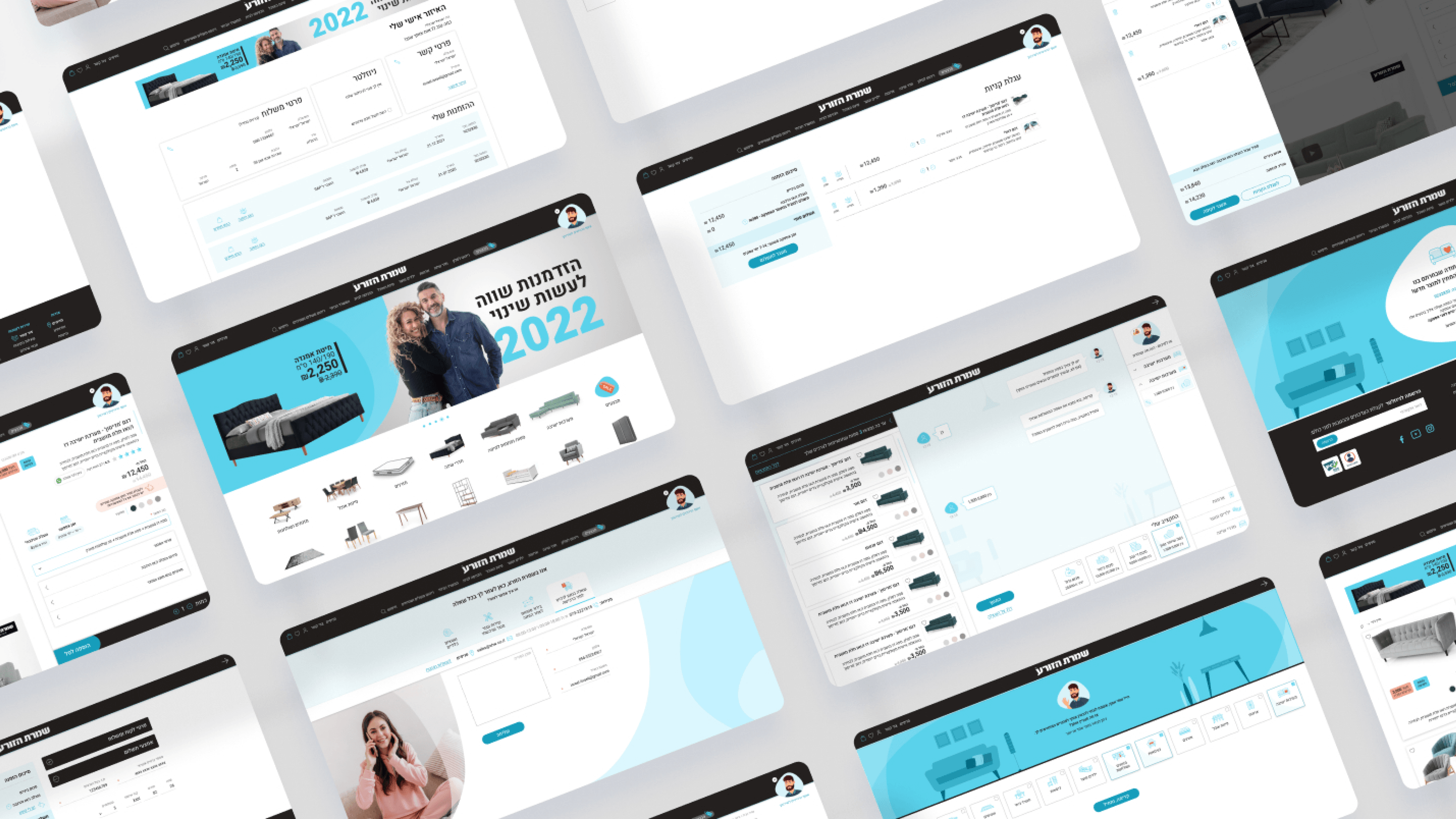
It would have been easy, and fashionable, to bolt a chatbot onto the furniture site and call it an AI strategy. I pushed the other way. The job to be done was specific: people stall when buying expensive furniture online because the choice space is overwhelming and the stakes feel high. So the strategic question wasn't 'where can we add AI' but 'where does intelligent guidance actually lower the barrier to a confident decision.' That's why our assistant, Asaf, replaces complex filters with conversational visual cards and a results feed that responds in real time — it's guidance aimed at the exact moment of overwhelm, not a gimmick stapled to the corner of the page. For a founder thinking about AI in the product, the trap is treating it as a feature category to check off rather than a tool pointed at one painful job. I'd rather have AI do one thing that visibly moves someone from paralysis toward a shortlist than have it sprinkled everywhere as novelty. The strategy is restraint: anchor it to a real friction in the journey, let it bridge the physical-showroom intuition into the digital flow, and resist the pressure to make 'AI' the story instead of the buying experience.
Related articles

About
Making complicated into easy for users.
Senior product designer with a decade of work across complex systems - financial risk platforms, legal operations, healthcare apps, manufacturing tooling and insurance portals. The common thread is depth: products where the data is rich, the users are expert, and the interface has to disappear into the work.