
Documenting So the Platform Outlives the Project
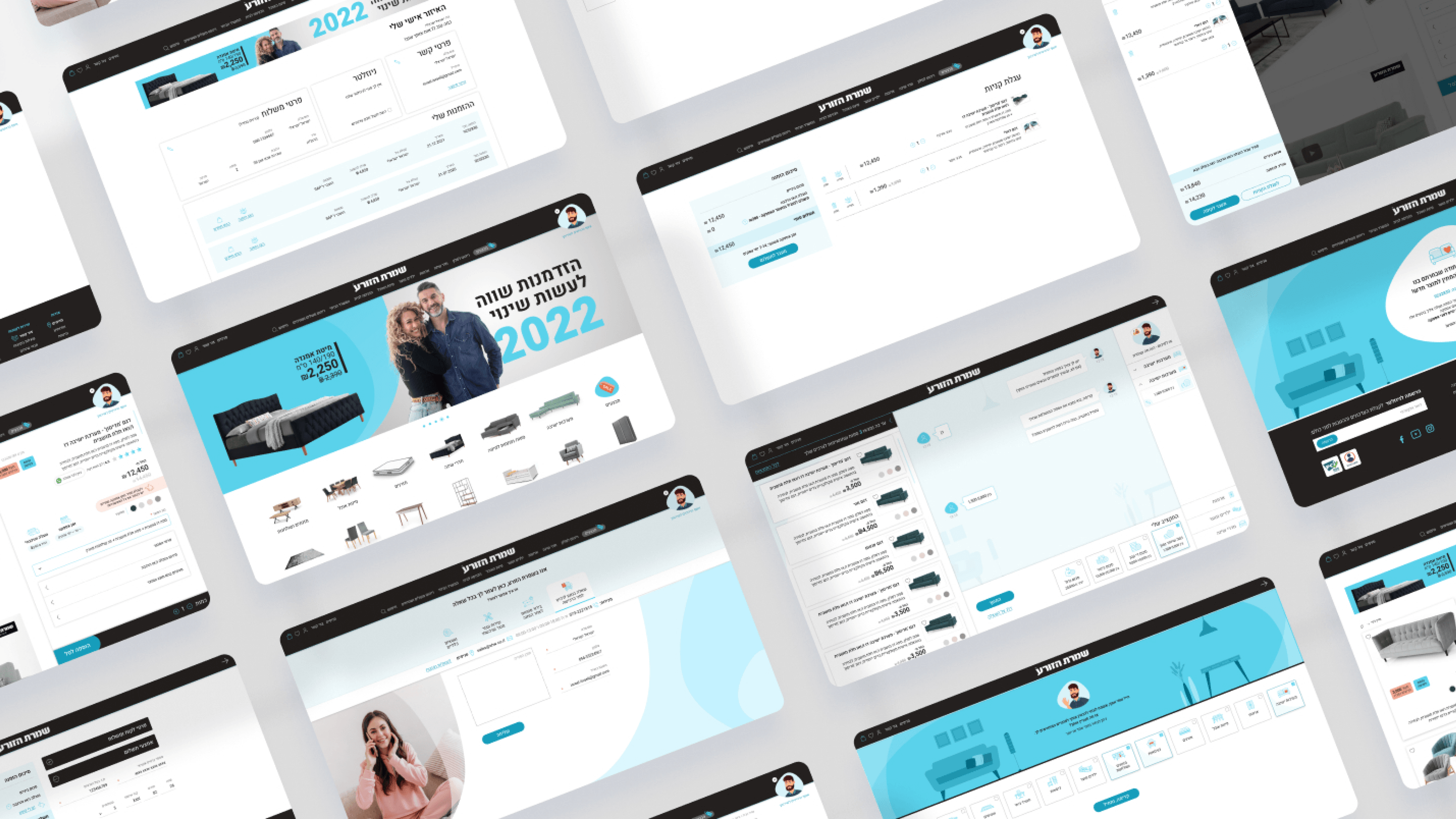
A redesign isn't finished when it ships — it's finished when the organization can run it without the people who built it. The Shomrat HaZorea platform bridges physical and digital retail, which means it lives on inside a company of merchandisers, store teams, and future developers long after my engagement ends. Documentation was how I made sure it survived that transition.
The pieces that needed institutional memory were the ones with logic behind them: how the guided selling experience with 'Asaf' maps questions to results, the rules behind the product configuration that drills from fabric down to foam, and how inspiration content on the homepage is meant to reduce choice overload. Without that captured, every future change becomes a reverse-engineering exercise.
So I documented intent alongside specs — not just what a component does, but why it exists and what problem it removes. That distinction matters to a PMO planning the next phase: it's the difference between a team that can extend the platform and one that's afraid to touch it.
My principle for organizational handoff: document the reasoning, not just the result. Decisions that aren't written down don't survive the handoff — and undocumented intent is the most expensive debt a project leaves behind.
Related articles

About
Making complicated into easy for users.
Senior product designer with a decade of work across complex systems - financial risk platforms, legal operations, healthcare apps, manufacturing tooling and insurance portals. The common thread is depth: products where the data is rich, the users are expert, and the interface has to disappear into the work.