
Designing the Furniture Platform So i18n Isn't a Rewrite
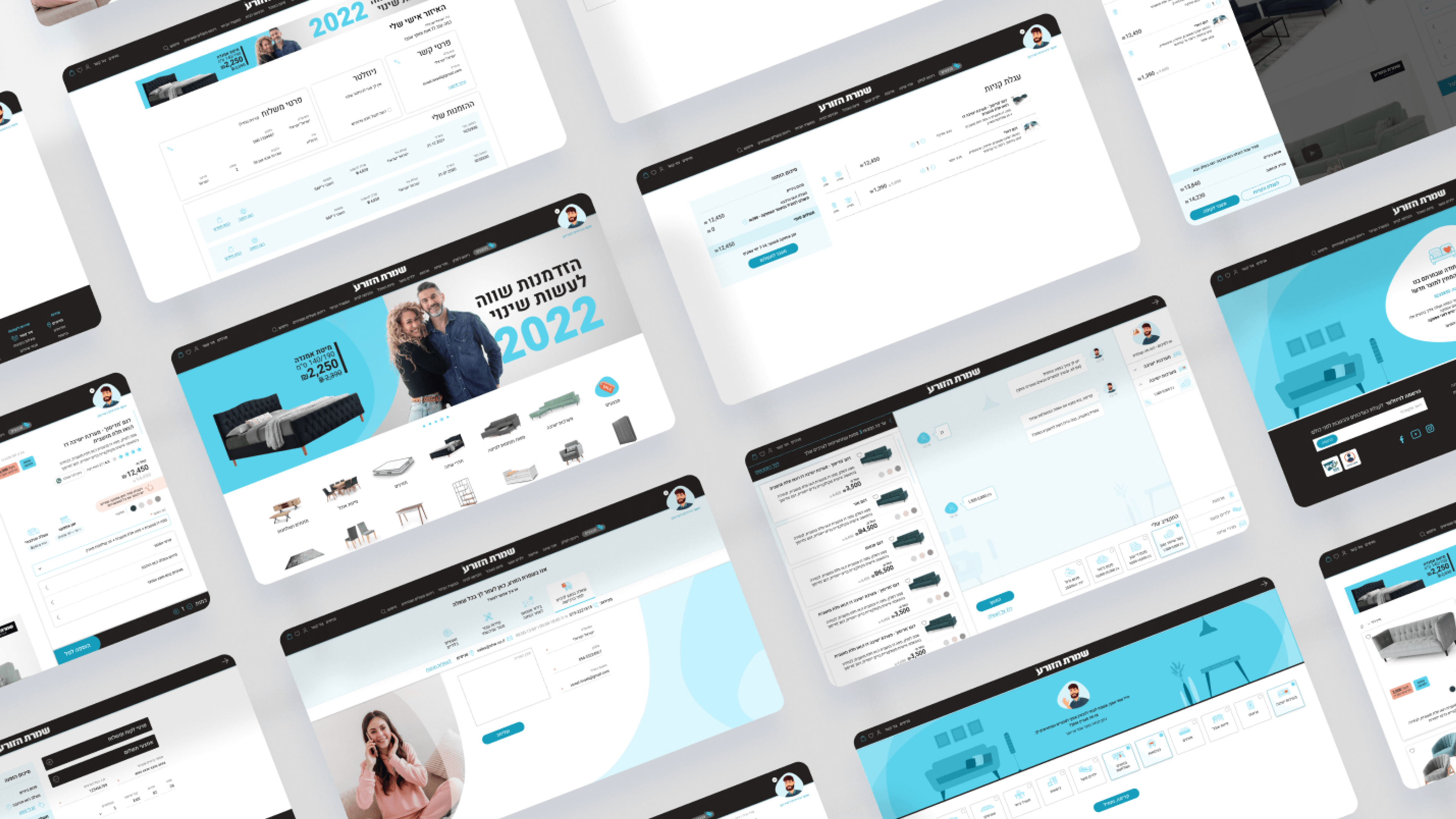
For an Israeli retail platform, i18n is not a far-future 'maybe we expand' problem — it starts with the fact that Hebrew is right-to-left. That reality shaped how I worked with engineering from the start. A guided selling flow like Asaf's, built on conversational cards and a live-updating results feed, is exactly the kind of UI that breaks ugly if direction and string handling are bolted on afterward: card layouts mirror, logistics details that collapse and expand have to read naturally in RTL, and the configuration drill-down — fabric, color, down to the foam in a pillow — carries a lot of labeled, translatable content. The concern I kept raising with engineering wasn't translation cost, it was structural debt: are we baking layout direction and copy into components, or treating them as inputs the design system resolves? I pushed to keep text externalized and components direction-aware rather than hard-coded. None of this required us to pretend we were launching in ten markets tomorrow. It required not poisoning that option. The cheapest i18n is the one where the architecture never assumed a single language or a single reading direction in the first place.
Related articles

About
Making complicated into easy for users.
Senior product designer with a decade of work across complex systems - financial risk platforms, legal operations, healthcare apps, manufacturing tooling and insurance portals. The common thread is depth: products where the data is rich, the users are expert, and the interface has to disappear into the work.