
Personalization That Respects How People Actually Buy Furniture
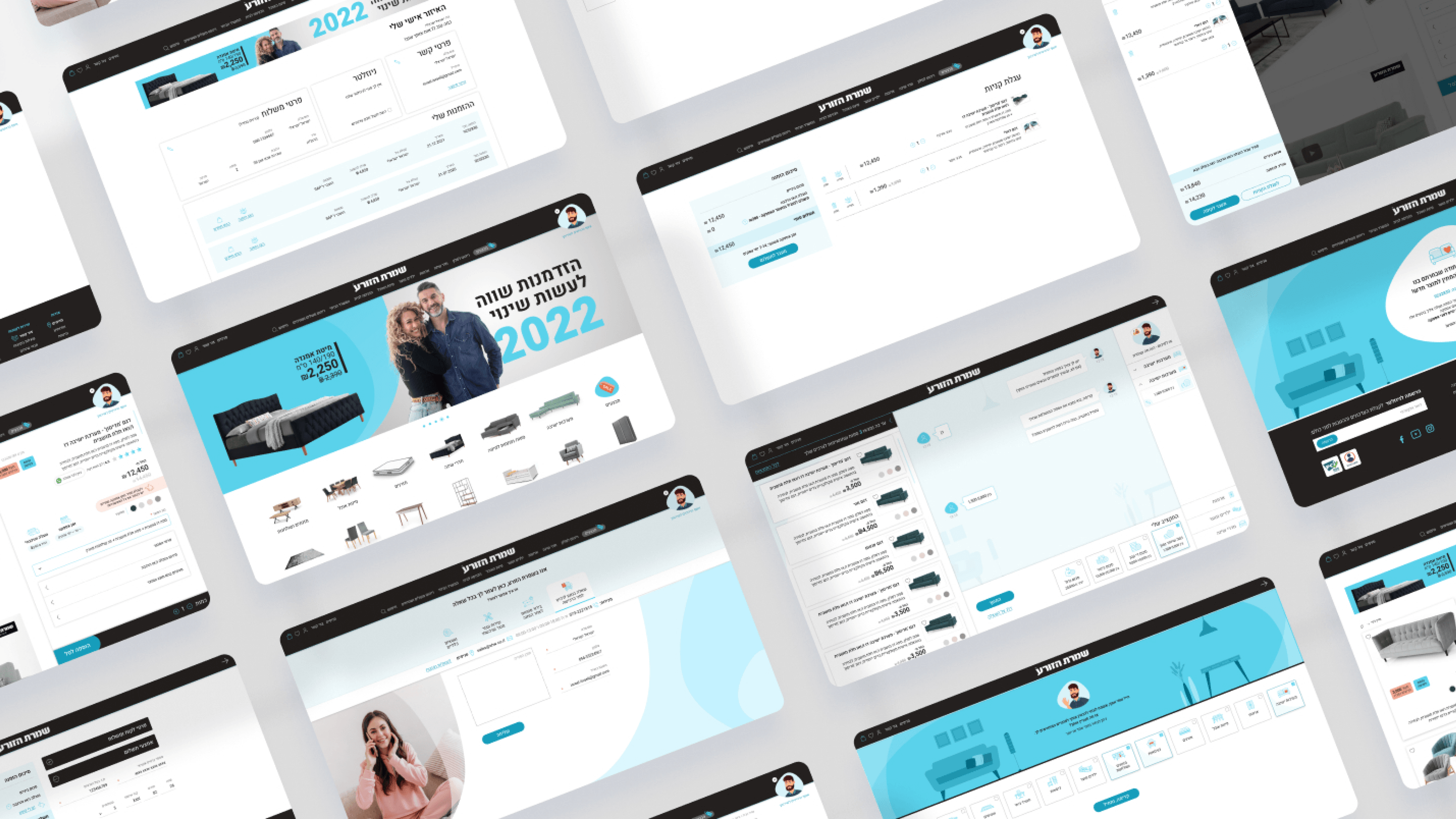
Personalization gets sold to executives as a magic engine that always knows what the customer wants. On a furniture platform I'd temper that, because the buying rhythm here is unusual: people purchase a sofa rarely, deliberate heavily, and care enormously about fit with a specific room. So the personalization that matters isn't creepy cross-the-web tracking — it's tailoring within the journey itself. Our guided selling assistant, Asaf, is the clearest expression of this: through conversational cards it builds a working picture of taste and need, and the results feed reshapes in real time around what the shopper actually responds to. That's a tailored model of intent assembled live, in the session, where the signal is strongest and the shopper is consenting by participating. As a CEO, I'd be cautious about over-promising a permanent customer profile in a category with long gaps between purchases — yesterday's choices may not describe today's room. The durable value is twofold: a session that adapts to reduce overwhelm in the moment, and the aggregate signal that tells merchandising what real shoppers gravitate toward. Personalization here earns trust by being visibly helpful and grounded, not by knowing more about people than the purchase actually justifies.
Related articles

About
Making complicated into easy for users.
Senior product designer with a decade of work across complex systems - financial risk platforms, legal operations, healthcare apps, manufacturing tooling and insurance portals. The common thread is depth: products where the data is rich, the users are expert, and the interface has to disappear into the work.