
What 'Asaf' Really Buys You: The ROI of Guided Selling
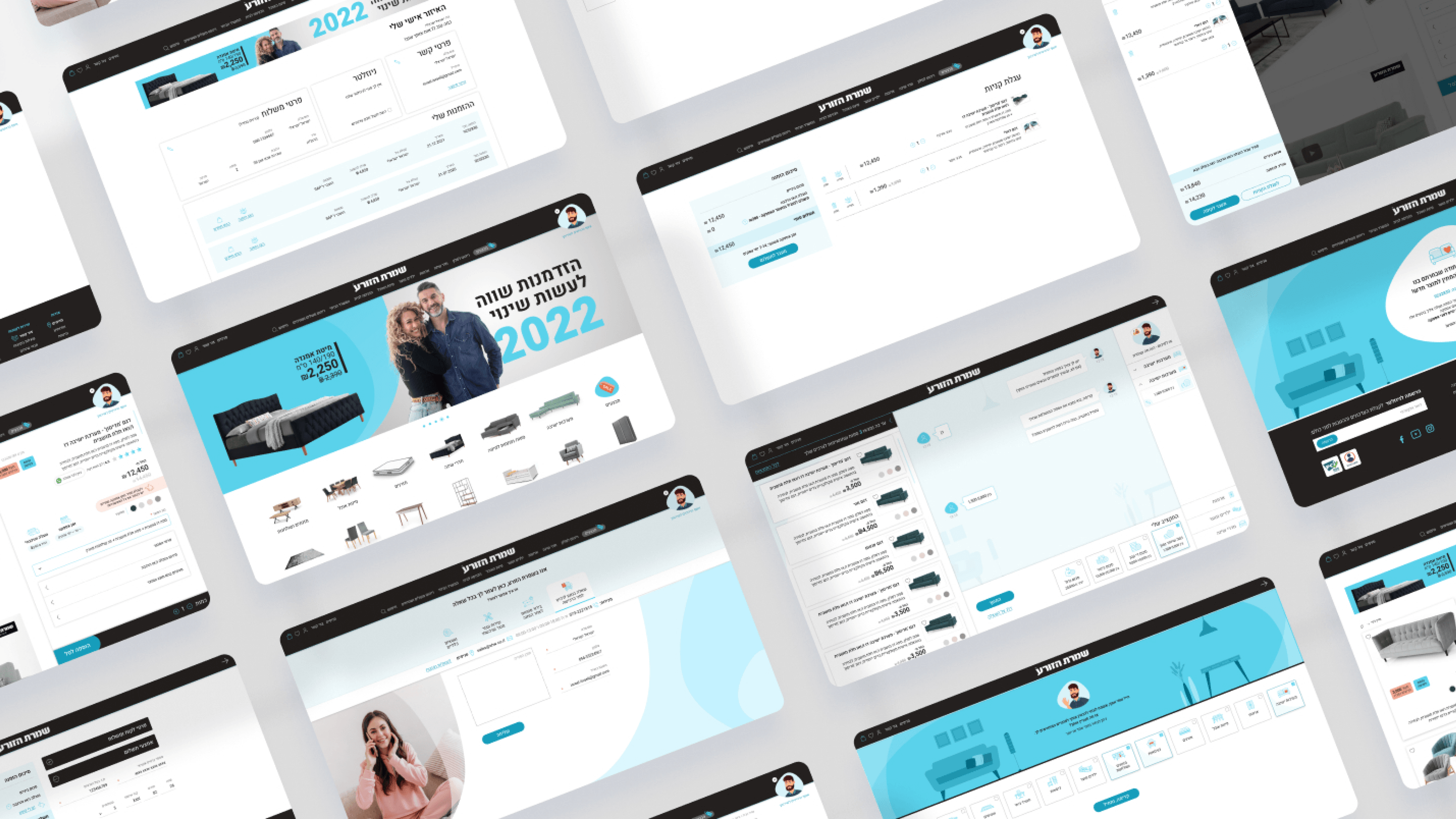
When I pitched the virtual sales assistant we call Asaf, the first question from the business side was the right one: what does this feature actually return? On a high-ticket furniture site, the expensive failure isn't a slow page — it's a hesitant buyer who closes the tab. Asaf exists to attack that specific cost. Instead of dropping people into a wall of filters, it asks a few conversational questions and surfaces visual cards, feeding a results feed that updates in real time as the shopper refines what they want. The ROI logic is straightforward even without me quoting numbers I don't have: every shopper Asaf guides to a confident shortlist is one who didn't abandon out of overwhelm, and one less load on showroom staff answering the same starter questions. It also captures intent the old transactional site simply threw away. As a CEO, I'd frame the return on three axes: fewer drop-offs at the consideration stage, richer demand signal for merchandising, and showroom time redirected to closing rather than orienting. That's the case for funding the feature properly rather than half-building it.
Related articles

About
Making complicated into easy for users.
Senior product designer with a decade of work across complex systems - financial risk platforms, legal operations, healthcare apps, manufacturing tooling and insurance portals. The common thread is depth: products where the data is rich, the users are expert, and the interface has to disappear into the work.