Meytal Dahan
Back to insights

Documenting So the Firm Could Own the Hub After Me
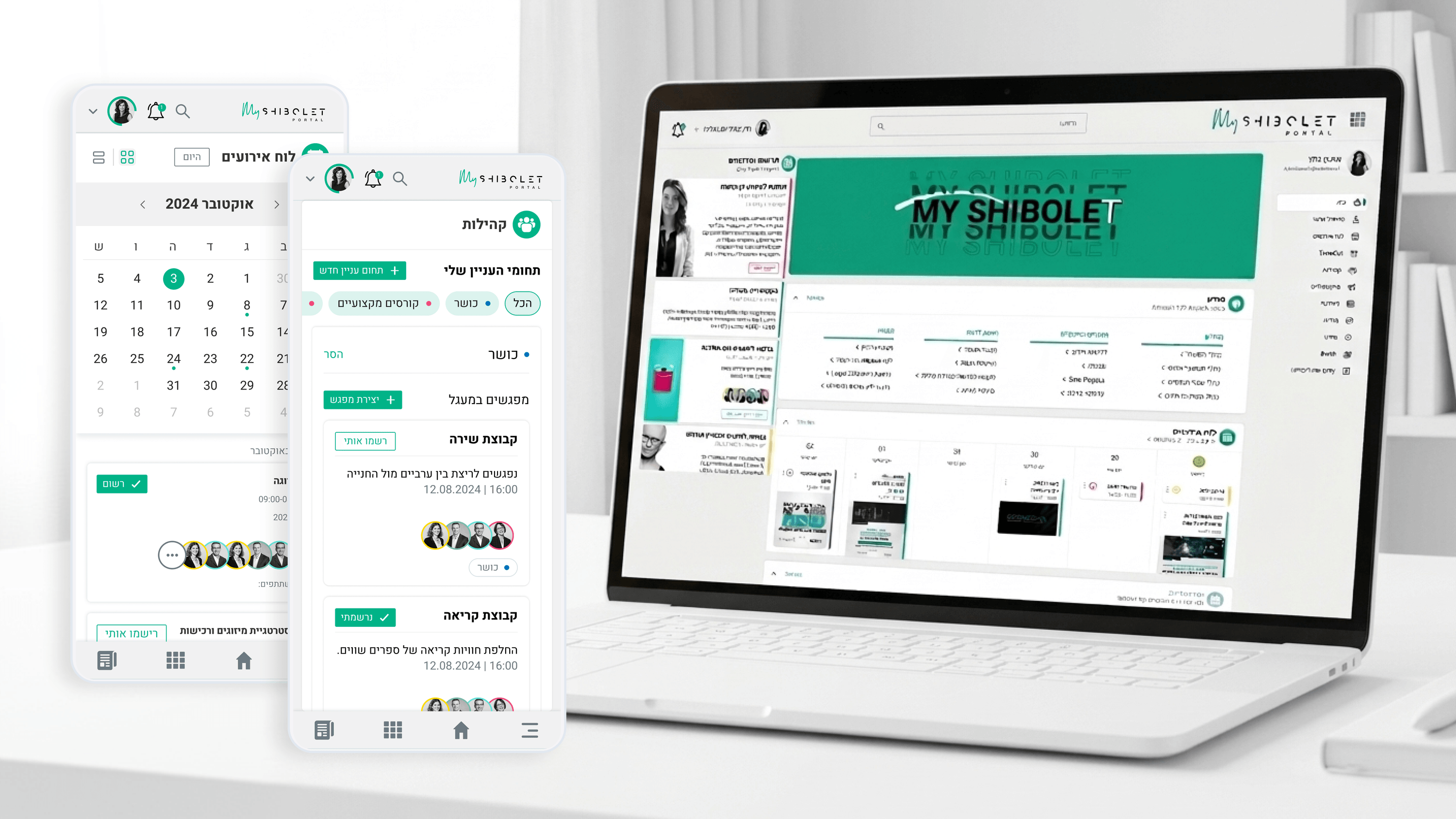
Shibolet & Co. — Designed the firm's internal community hub - balancing the gravitas of a top legal practice with a social tone inviting enough that employees would actually use it - into a space precise enough to belong inside the firm and warm enough to feel lived-in.
I was on the Shibolet community hub for about four months, solo on design. A project like that has a quiet failure mode: it works beautifully on launch day and then slowly drifts as the firm adds notices, events, and courses without me there to guard the balance. Good documentation is the antidote, and I treated it as part of the deliverable, not an afterthought. What needed to outlive me wasn't a list of screens — it was the logic. I documented the content hierarchy and the principles behind it: why community activity sits naturally beside formal firm content, how to keep a new notice from feeling cold or a new event from feeling flippant, which patterns to reuse so the next addition stays coherent. The goal was that whoever maintains the hub can make sound decisions without re-deriving the tension I spent months resolving. For a PMO, this is continuity and reduced key-person risk. An organizational handoff isn't done when the files and assets change hands; it's done when the team can extend the product correctly on its own. Documentation is what converts a four-month engagement into something the firm genuinely owns and can grow without regressing.

Get in touch

Have a project in mind?

Drop a line. Meytalyav@gmail.com

Related articles

Shibolet & Co.
Engineering LeadersProject-Specific Data Visualization

Visualizing a Community, Not a Dashboard

Say data visualization to engineers and they picture analytics dashboards. Shibolet's internal community hub needed the opposite. It was a community hub for a law firm, not an admin reporting tool. The job was making events, courses, benefits, and interest groups scannable and inviting, with light cues like who's attending or active. No charting engine, no KPI grid. Project-specific data viz means the representation answers this domain's real question. Here it was always: what's happening in my community, and what's for me?

Read
Shibolet & Co.
Project Managers

Running a Digital Project in a Legal Organization: How Do You Hit Deadlines When Partners' Time Is Worth Gold?

Project Managers in legal organizations — your biggest pain point is the billable hours of your partners. On the Shibolet & Co. project we developed a "Batched Approvals" method paired with Figma prototypes: every decision is presented with 3 clear alternatives, and a partner can sign off in 15 minutes instead of an hour. That's how you protect the Gantt and the budget.

Read
Shibolet & Co.
Product ManagersTypography & Visual Hierarchy

Typography as Triage: Ordering a Legal Community Hub

PMs keep asking: how do users know what matters when one screen does five jobs? On Shibolet's internal hub, a single view carried a compliance notice, a new course, a firm event, and a community invite. I didn't solve that with more tabs. I solved it with typography. A deliberate type ramp let official items read with authority and social content stay warm, in the same layout. Visual hierarchy is product triage made visible. Get the type ramp right and you stop negotiating screen real estate per stakeholder.

Read
Meytal Dahan

About

Making complicated into easy for users.

Senior product designer with a decade of work across complex systems - financial risk platforms, legal operations, healthcare apps, manufacturing tooling and insurance portals. The common thread is depth: products where the data is rich, the users are expert, and the interface has to disappear into the work.